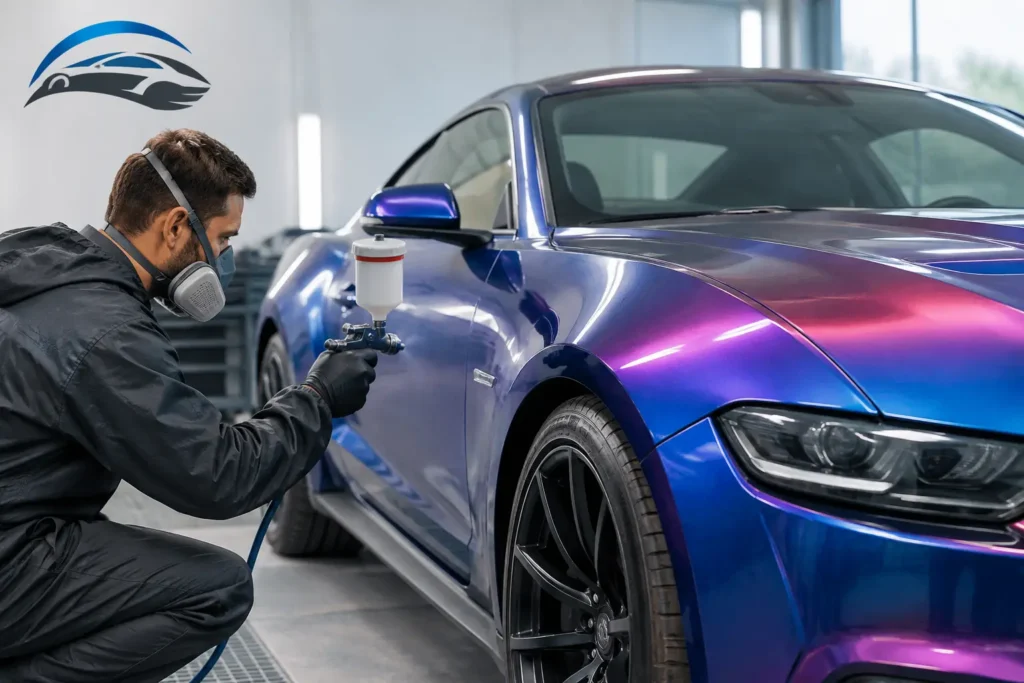
A custom paint job is more than a new color sprayed over an old finish. It is a chance to give a daily driver a cleaner, more personal look, bring a classic car closer to its original character, or create a vehicle that reflects exactly what its owner had in mind. The difference between paint that looks good for a few weeks and a finish you remain proud of for years comes down to planning, preparation, materials, and careful workmanship.
Whether your vehicle has faded paint, accident-related damage, rust concerns, or simply a style that no longer feels like you, a quality paint process starts with an honest look at the vehicle’s condition and your expectations for the finished result.
What Custom Paint Can Do for Your Vehicle
Custom paint can be as subtle or as dramatic as you want it to be. For some owners, it means restoring a factory color with a richer, cleaner finish. For others, it may mean changing the color entirely, adding metallic depth, selecting a pearl effect, applying stripes, or finishing a restoration with period-correct details.
The best approach depends on the vehicle and how you use it. A family SUV that sees Lake County winters, school drop-offs, and highway commuting may call for a durable, easy-to-maintain finish. A collector vehicle or weekend cruiser may justify more specialized color matching, detail work, and additional time spent refining the final appearance.
Custom work should always consider the complete vehicle, not just the color in a paint chip book. Door jambs, trim, bumpers, mirrors, handles, wheels, glass, and interior edges can all affect how complete a color change looks. Addressing these details may add labor, but leaving them untouched can make a full color change feel unfinished.
Preparation Is the Foundation of Custom Paint
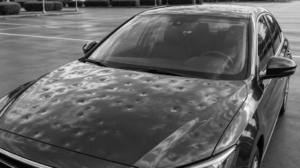
The finish is what everyone sees, but the preparation underneath it determines how it holds up. Paint applied over dents, failing clear coat, corrosion, or poorly repaired panels will not correct those problems. In many cases, it can make them more noticeable once the new color and clear coat reflect light across the surface.
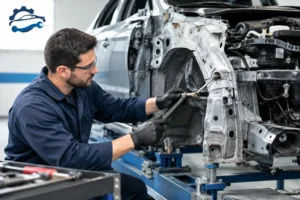
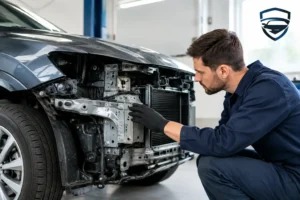
A proper inspection identifies what needs attention before painting begins. That can include repairing dents and scratches, straightening damaged metal, addressing rust, correcting previous repair work, sanding unstable paint, or applying the appropriate primer. If a vehicle has been in a collision, panel alignment and structural repairs should be handled before cosmetic refinishing is considered.
This is where an estimate should be clear about the condition of the vehicle and the scope of work. A small area of peeling clear coat may need a broader repair than expected because paint failures can extend beyond the visibly damaged spot. Likewise, a color change may involve more disassembly and prep than a simple exterior respray. Honest communication up front helps prevent surprises later.
Why surface prep matters so much
Modern automotive coatings are designed to work as a system. The bare metal, filler, primer, base coat, and clear coat each have a job to do. Skipping steps or rushing dry times can affect adhesion, smoothness, color consistency, and durability.
Careful prep also helps the paint lie flat and reflect evenly. This is especially noticeable with dark colors, metallic finishes, and high-gloss clear coats, which can reveal even small waves or imperfections in the panel beneath them. A skilled paint team spends substantial time on the parts most people never see during the process so the final result looks right in direct sunlight, shade, and garage lighting.
Choosing a Color and Finish That Fits
A custom color should look great, but it should also fit the vehicle, your preferences, and the level of maintenance you are comfortable with. Black, deep blues, and other dark finishes can look strikingly polished, yet they tend to show dust, water spots, and light scratches more readily. Lighter colors may hide everyday dirt better, though they still need proper washing and protection.
Metallic and pearl colors add dimension because they change with the light. They can make body lines stand out and give a vehicle a more distinctive appearance. They also require consistent application technique, especially across larger panels, so the color and metallic pattern remain uniform.
If you are restoring a classic car, the decision may be different. You might prefer a period-correct shade that supports the vehicle’s character and long-term appeal. Or you may choose a modern finish that gives a familiar body style a personal, updated look. Neither choice is automatically right or wrong. It depends on whether originality, personal expression, show presentation, or regular driving enjoyment matters most to you.
Factory match or full color change?
A factory color match is often the practical choice after collision damage or when refreshing a vehicle without changing its overall identity. Paint codes provide a starting point, but paint can fade over time. A technician may need to blend color into adjacent panels so the repaired area transitions naturally with the rest of the vehicle.
A full color change is more involved. It may require painting areas that are not normally visible with the doors closed, along with removing or masking more components. This can deliver a dramatic transformation, but it is not a shortcut project. The scope should be discussed carefully so you understand which areas will be refinished and how the finished vehicle will look from every angle.
Clear Coat Protects the Work Beneath It
The clear coat gives many modern paint jobs their gloss, depth, and protection. It helps defend the color coat from ultraviolet exposure, weather, road grime, and everyday washing. The quality of the materials and the way they are applied both matter.
A properly applied clear coat can be refined after curing to improve gloss and remove minor surface texture. This final stage takes patience. The goal is not simply to make the vehicle shiny on the day it leaves the shop, but to create a finish that looks consistent and is easier to care for over time.
No paint finish is immune to damage. Gravel roads, winter debris, bird droppings, tree sap, automatic car washes, and harsh cleaners can all affect appearance. Asking about realistic maintenance needs before choosing a finish is part of making a good decision.
Caring for a Newly Painted Vehicle
Your paint professional can provide instructions based on the specific coatings used and the work completed. In general, gentle care gives a new finish the best start. Avoid harsh brushes, abrasive cleaners, and unnecessary contact with contaminated surfaces. Wash with clean water and automotive-safe products, then dry with soft, clean materials rather than letting mineral-heavy water spots sit on the paint.
If something lands on the finish, such as bird droppings, sap, or fuel, remove it carefully as soon as practical. These contaminants can stain or etch a surface when left in place. Regular washing also makes it easier to spot chips or scratches early, before moisture and road debris have more time to work into damaged areas.
For classic and custom vehicles that are driven less often, clean storage matters too. A dry, protected space and a properly fitted, clean cover can help preserve the finish without trapping dirt against it.
Work With a Shop That Respects the Details
Custom paintwork deserves a conversation, not a one-size-fits-all answer. Bring your ideas, reference photos, color preferences, and concerns about the vehicle’s current condition. A reputable shop should explain what is practical, what preparation is needed, and where choices in materials or scope may affect the final outcome.
At Carbon Collision Repair, custom paint and restoration work are approached with the same care given to collision repairs: clear communication, attentive preparation, and craftsmanship that respects the vehicle in the bay. For drivers and enthusiasts in northeastern Illinois and southeastern Wisconsin, that local, owner-led attention can make the process feel far more straightforward.
The right custom paint decision is not always the boldest color or the most elaborate finish. It is the one that suits your vehicle, your budget, and the way you want to feel every time you see it parked in your driveway.