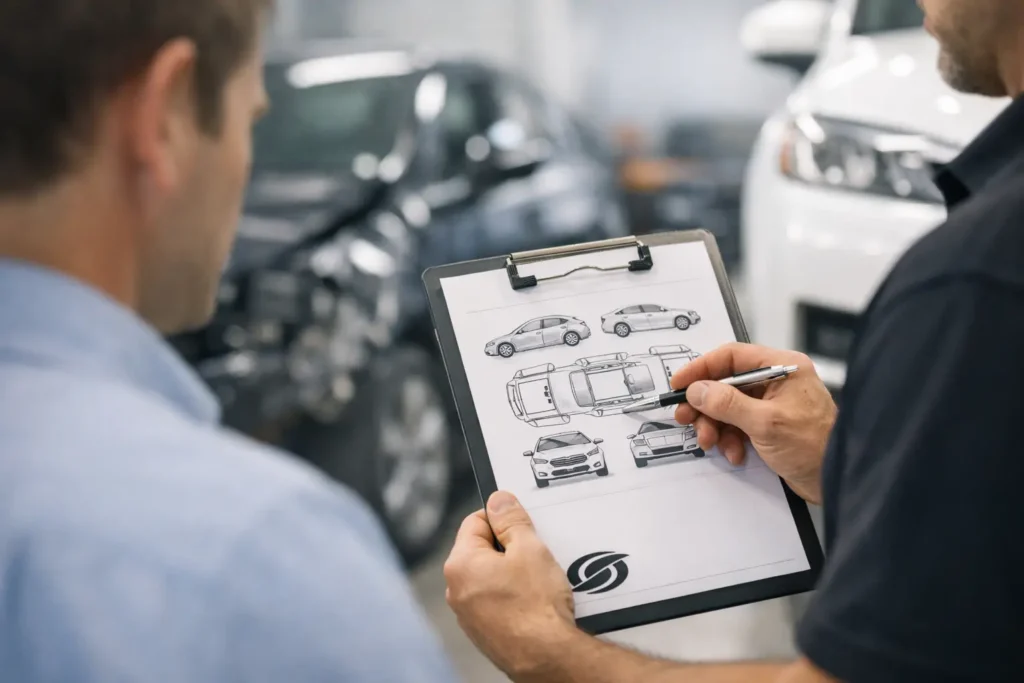
After an accident, an estimate can feel like a page full of parts, labor codes, and insurance language when all you want is your vehicle back. A collision center estimate review turns that document into a clear repair plan. It helps you understand what visible damage has been identified, what may require further inspection, how insurance fits into the process, and what questions to ask before repairs begin.
A good estimate should do more than provide a number. It should give you confidence that your vehicle is being evaluated carefully and that the repair process is being explained in plain language.
Why a Collision Center Estimate Review Matters
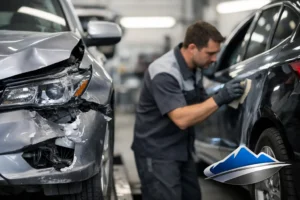
Collision damage is not always limited to what you can see from the outside. A bumper may show a small crease while the brackets, absorber, sensors, mounting points, or components behind it have also been affected. A door that still opens may have damage to hinges, latches, weather seals, or internal reinforcement areas.
That is why an initial estimate is often the starting point, not a final judgment made from a quick glance. During a collision center estimate review, the repair professional looks at the affected area, documents visible damage, and considers the repair procedures needed to restore proper appearance, fit, and function.
For customers, this review also creates an opportunity to compare the estimate against what happened in the accident. If the impact was on the front corner, for example, ask whether the estimate addresses the bumper, headlamp area, fender, wheel opening, and any visible alignment concerns. You do not need to be an auto body expert. Clear questions are part of making an informed repair decision.
What You Should See on a Repair Estimate
Every vehicle and accident is different, but a professional estimate generally separates the work into understandable categories. The language may vary depending on the estimating system or insurer, yet the purpose should remain clear.
Parts, Repair Labor, and Paint Work
The estimate should identify the damaged parts that may be repaired or replaced. It may also show repair labor for straightening or restoring panels, refinishing labor for paint preparation and color application, and materials needed for the repair.
A repaired panel and a replaced panel are not automatically interchangeable choices. Repairing a part can make sense when the damage is within repairable limits and the panel can be restored properly. Replacement may be appropriate when damage, material type, corrosion concerns, mounting damage, or manufacturer procedures call for it. The right approach depends on the specific vehicle and the condition of the part.
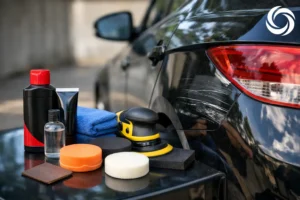
Paint-related lines can also require explanation. Matching a repaired area to the surrounding finish may involve preparation, masking, refinishing, and blending color into adjacent panels when appropriate. This work helps create a consistent appearance, especially when the damaged panel meets an undamaged one.
Mechanical, Glass, and Structural Items
Not every accident estimate is strictly cosmetic. Depending on the impact, the estimate may include wheel alignment checks, suspension-related inspection, glass repair or replacement, mechanical repairs, or structural measurement and repair work.
If the vehicle sustained a harder impact, ask whether there are signs of frame or structural damage and how that will be evaluated. Modern vehicles are built with carefully engineered crumple zones, reinforcements, and sensors. Proper repairs may require more than exterior panel work, which is why a thorough inspection matters.
Scans, Calibrations, and Required Procedures
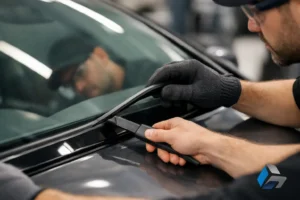
Many newer vehicles have cameras, radar, parking sensors, blind-spot monitoring, lane-assist features, and other advanced driver assistance systems. Damage near a bumper, windshield, mirror, grille, wheel, or headlamp can affect components connected to these systems.
An estimate may include diagnostic scans, calibration work, or manufacturer-required procedures. These items can be easy to overlook because they are not always visible from the outside, but they can be an essential part of completing the repair correctly. Ask the shop to explain why an operation is listed and whether it is related to your vehicle’s equipment or repair procedures.
Why the First Estimate May Change
It is reasonable to want a complete figure before authorizing repairs. At the same time, some damage cannot be confirmed until panels, trim, or parts are removed. The initial estimate is based on what can be seen and documented at the time of inspection.
Once the repair process begins, hidden damage may be found behind the bumper cover, beneath a damaged fender, inside a door, or around structural mounting areas. If additional damage or required procedures are discovered, the shop may prepare a supplement. A supplement is documentation for repair items that were not visible or verifiable during the first inspection.
A supplement does not necessarily mean the original estimate was careless. It often reflects the reality of collision repair. What matters is communication. You should be told what was found, why the additional work is needed, and how the updated information will be handled with the insurance company when a claim is involved.
Questions Worth Asking During an Estimate Review
The best estimate conversation is straightforward. Ask what damage is visible today, what areas may need disassembly for a complete evaluation, and which items are being repaired versus replaced. If a repair plan includes paint blending, scanning, calibration, structural work, or mechanical inspection, ask for a clear explanation of each step.
It is also helpful to ask how the shop will communicate if additional damage is found. Will you receive updates? Who will coordinate with the insurer? What information does the shop need from you before work begins? Knowing these details early can reduce confusion later.
If you are using insurance, remember that your repair facility and insurer may each prepare documentation. The insurer may provide an estimate based on its inspection, while the collision center develops its repair plan based on the vehicle’s condition and required procedures. Differences can occur, particularly before disassembly. A reputable shop can help explain the process and communicate repair-related information without making promises about claim approval or coverage.
Look Beyond the Bottom Line
It is natural to focus on the total amount, but the lowest-looking estimate is not always the most complete repair plan. A meaningful review considers what is included, what needs further inspection, and whether the procedures address both appearance and function.
For example, an estimate for a damaged bumper should not be judged solely by whether it includes a bumper cover. Consider the brackets, reinforcements, sensor locations, paint work, and related parts that may be affected. Likewise, a dented quarter panel may involve more than pulling out a dent if the damage reaches a body line, wheel opening, or panel edge.
Classic and specialty vehicles deserve another level of discussion. Parts availability, previous repairs, original finishes, corrosion, and the owner’s restoration goals can all affect the estimate. For a custom paint project or classic car restoration, the shop should discuss the desired finish, preparation needs, and scope of work before moving forward. These projects are often less standardized than an insurance collision repair, so clear expectations matter even more.
Bring the Right Information to Your Estimate
You can make the review more productive by bringing your insurance claim information if you have opened a claim, along with photos from the accident if available. Let the estimator know about warning lights, new noises, steering changes, leaks, glass damage, or doors and panels that no longer close normally.
Also point out pre-existing damage. This is not about assigning blame. It helps the shop document the vehicle accurately and keeps the conversation focused on damage related to the current repair. If you have a preferred method for updates, mention it at the beginning so the team can communicate in a way that works for you.
At Carbon Collision Repair, customers can expect a careful inspection, an honest explanation of the repair plan, and help navigating the practical side of an insurance claim. Serving drivers across northeastern Illinois and southeastern Wisconsin, the shop approaches each estimate with the same attention it would give its own vehicle.
A Clear Estimate Starts With a Conversation
An estimate should never leave you feeling pressured or uncertain about what comes next. Take time to ask questions, review the visible damage with the estimator, and understand where further inspection may be needed. A clear repair plan cannot erase the inconvenience of an accident, but it can give you a more confident path forward – one informed decision at a time.