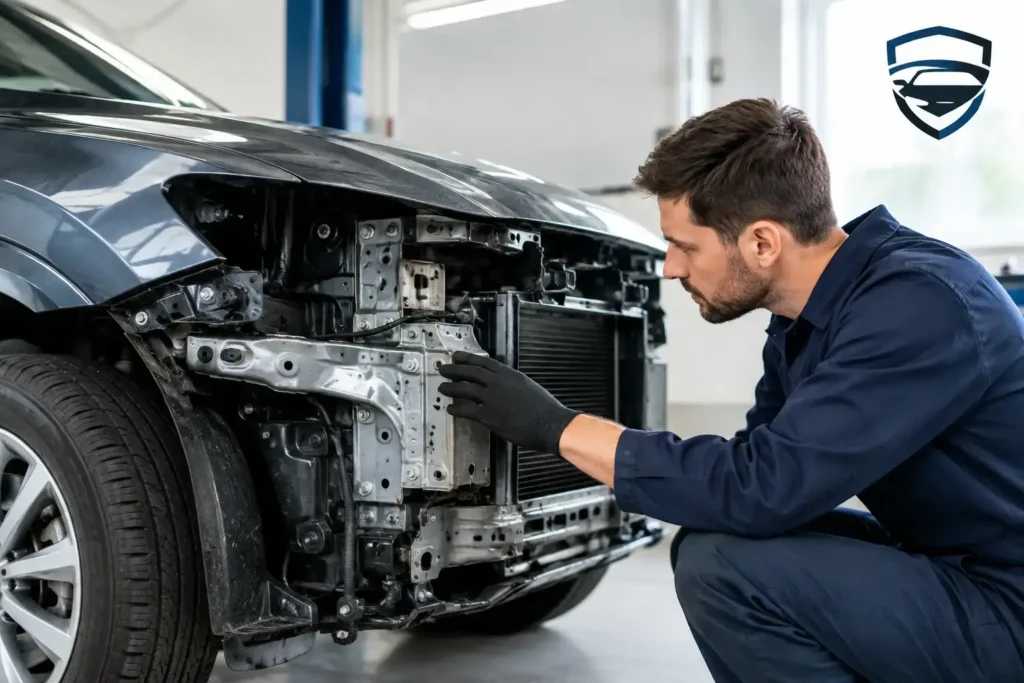
A collision can leave more than a dented bumper or scratched paint. If your vehicle pulls to one side, doors no longer close properly, or the damage looks deeper than the exterior panels, you may be asking: is frame repairable? In many cases, yes. But the honest answer depends on where the impact occurred, how far the structure moved, and whether it can be returned to the manufacturer’s specifications.
Structural damage can feel overwhelming, especially when you are already managing transportation, an insurance claim, and the uncertainty that follows an accident. A proper inspection gives you clear information before any repair decision is made. The goal is not simply to make the vehicle look straight again. It is to evaluate the underlying structure and determine whether a quality repair is practical.
Is Frame Repairable? It Depends on the Damage
The term “frame damage” is commonly used for several types of structural damage. Some vehicles have a traditional body-on-frame design, where the body is mounted to a separate, heavy-duty frame. Many modern cars, crossovers, and SUVs use a unibody design, meaning the structural frame and body are integrated into one assembly.
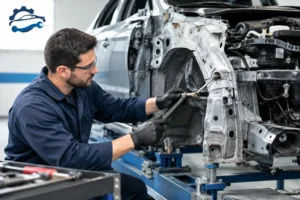
Both types can be repaired in certain situations. A repairable condition may involve a bent rail, shifted mounting point, damaged crossmember, or impact area that can be carefully measured and returned to its proper position. Technicians use specialized measuring equipment and controlled pulling systems to identify where the structure has moved and correct it gradually.
That said, not every damaged frame or unibody is a good candidate for repair. Severe crushing, extensive corrosion, multiple impact areas, damage near critical attachment points, or distortion that cannot be brought back within specification may change the recommendation. The vehicle’s age, overall condition, parts availability, and the scope of related mechanical or body damage also matter.
A visual inspection alone cannot answer the question with confidence. A bumper, fender, or door can hide damage behind it. Conversely, a vehicle that looks heavily damaged on the outside may have limited structural impact. Measurements tell the real story.
What Happens During a Structural Damage Inspection
A thorough inspection starts with the visible collision damage, but it does not stop there. The repair team checks panel gaps, suspension-related areas, underbody components, mounting locations, and the parts that absorb and distribute crash energy.
The vehicle is then measured against factory dimensions. This process helps identify whether structural points are out of position and by how much. Even a relatively small misalignment can affect how body panels fit, how the vehicle tracks on the road, or how related components attach.
Technicians also look for secondary damage. An impact that bends a structural rail can affect the radiator support, wheel alignment, suspension components, exhaust routing, trunk floor, or door openings. On newer vehicles, damage may also involve sensors, wiring, cameras, and other systems positioned near the impact area.
Once the full condition is known, the repair plan can be built around the vehicle rather than assumptions. This is one reason estimates can change after disassembly. Hidden damage is not always visible until exterior parts are removed and the affected area can be measured properly.
How Frame and Unibody Repairs Are Performed
When structural repair is appropriate, the work is deliberate and highly controlled. The vehicle may be secured to a frame machine or anchoring system. Technicians use precise pulling equipment to move damaged sections back toward their specified locations while continuously measuring the structure.
Repairing a frame is not the same as pulling on metal until it appears straight. Proper repairs account for the direction of the original impact, the condition of the metal, factory repair procedures, and the position of surrounding components. Depending on the damage, the process may involve pulling, sectioning and replacing a damaged structural component, welding where approved by repair procedures, or replacing related parts that cannot be safely reused.
After structural work is completed, the vehicle may still need mechanical attention, wheel alignment, body panel repair, paintwork, and final quality checks. Restoring a vehicle after a collision is a sequence of connected repairs. Completing the structural portion correctly supports the fit, function, and appearance of everything that comes after it.
Signs You Should Have the Frame Checked
Not all structural damage is obvious at the scene of an accident. If your vehicle has been involved in a moderate or significant impact, it is wise to have it inspected even when it still drives.
Common signs that can point to a structural concern include uneven gaps around the hood, trunk, or doors; doors that stick or require extra force to latch; a steering wheel that is no longer centered; unusual pulling while driving; uneven tire wear; or a vehicle that sits differently on one side. New rattles, vibrations, or changes in handling can also warrant a closer look.
These symptoms do not automatically mean the frame is damaged. They can result from suspension damage, alignment issues, damaged body panels, or other collision-related problems. Still, they are good reasons to request a professional evaluation rather than relying on appearance alone.
Repairable Does Not Always Mean the Same Thing as Worth Repairing
A vehicle can be technically repairable while still requiring a careful financial decision. Repairability addresses whether the structure can be restored through an appropriate repair process. Whether repairs make sense also involves the vehicle’s pre-accident value, the estimated repair scope, its condition before the collision, and the details of the insurance claim.
For example, a newer vehicle with focused front-end structural damage may be a strong repair candidate if the affected components can be restored or replaced according to specifications. An older vehicle with significant rust, prior structural repairs, and damage across several areas may require a different conversation.
Insurance companies typically assess repair estimates and vehicle value as part of the claim process. Their decision is separate from the technical inspection, but a detailed, documented repair plan helps everyone understand the extent of the damage. A collision repair shop can assist with estimates and communicate repair information clearly as the claim moves forward. Coverage and claim outcomes remain subject to the terms of your policy and your insurer’s evaluation.
Why Quality Structural Repair Matters
Cosmetic work is easy to notice. Structural work is often hidden once the vehicle is reassembled, which makes quality and accountability especially important. Proper measurements, correct repair methods, and attention to related components all help support a vehicle that fits together correctly and performs as intended after repairs.
Rushing past structural assessment can create problems that appear later, such as poor panel fit, recurring alignment concerns, water leaks, tire wear, or difficulty with doors and hatches. It can also complicate repairs if hidden damage is discovered after cosmetic work has already started.
At Carbon Collision Repair, structural repairs are approached with the same care given to visible bodywork and paint. Customers deserve an honest explanation of what the inspection shows, what the recommended repair involves, and what may need to be addressed as work progresses.
What to Do After a Collision
If you suspect frame or unibody damage, avoid making a decision based on a quick glance in the driveway. Photograph the visible damage, keep any claim information available, and arrange for a professional collision inspection. If the vehicle has handling problems, rubbing tires, fluid leaks, loose parts, or damage that makes it feel unsafe to drive, use appropriate caution and consider having it transported rather than driving it.
Bring questions to the estimate appointment. Ask what areas were measured, whether there is likely hidden damage, what repair procedures apply, and how the shop will keep you informed if additional issues are found. Clear communication is part of a good repair experience, particularly when the damage is structural and the work may involve several stages.
A damaged frame is not automatically the end of a vehicle’s road. With a careful inspection and a repair plan based on the actual condition of the structure, you can move forward with a clearer understanding of the options in front of you.