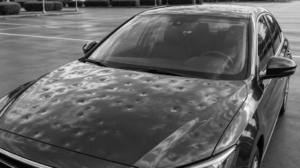
A hailstorm can leave a vehicle covered in small dents that are easy to underestimate until sunlight hits the hood or roof. Understanding how collision shops repair hail damage helps drivers make a confident decision before dents, cracked paint, broken glass, or insurance details become a larger source of stress.
Hail repairs are not one-size-fits-all. The right approach depends on the size and location of the dents, the condition of the paint, the material of each panel, and whether the vehicle has damage beyond its exterior appearance. A careful inspection comes first because preserving the factory finish when possible is usually a better outcome than refinishing an entire panel unnecessarily.
How Collision Shops Repair Hail Damage
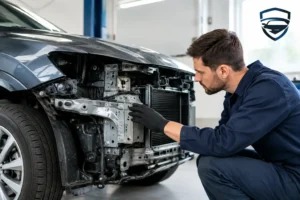
A professional hail repair begins with a full damage assessment. Technicians inspect the roof, hood, trunk lid, fenders, doors, moldings, mirrors, glass, and lights. They also look closely at body lines and panel edges, where even a small dent can be more challenging to correct.
Lighting matters during this inspection. A repair technician may use reflection boards or specialized lights that make shallow dents easier to see. What appears to be a handful of visible marks in a driveway can reveal dozens of dents under proper shop lighting.
The shop also checks whether the paint has been cracked or chipped. If the paint remains intact and the metal has not been sharply stretched, paintless dent repair may be the best option. If hail has broken the finish, damaged an aluminum panel, creased a body line, or affected glass and trim, conventional body repair and refinishing may be needed for part or all of the vehicle.
Paintless Dent Repair for Intact Paint
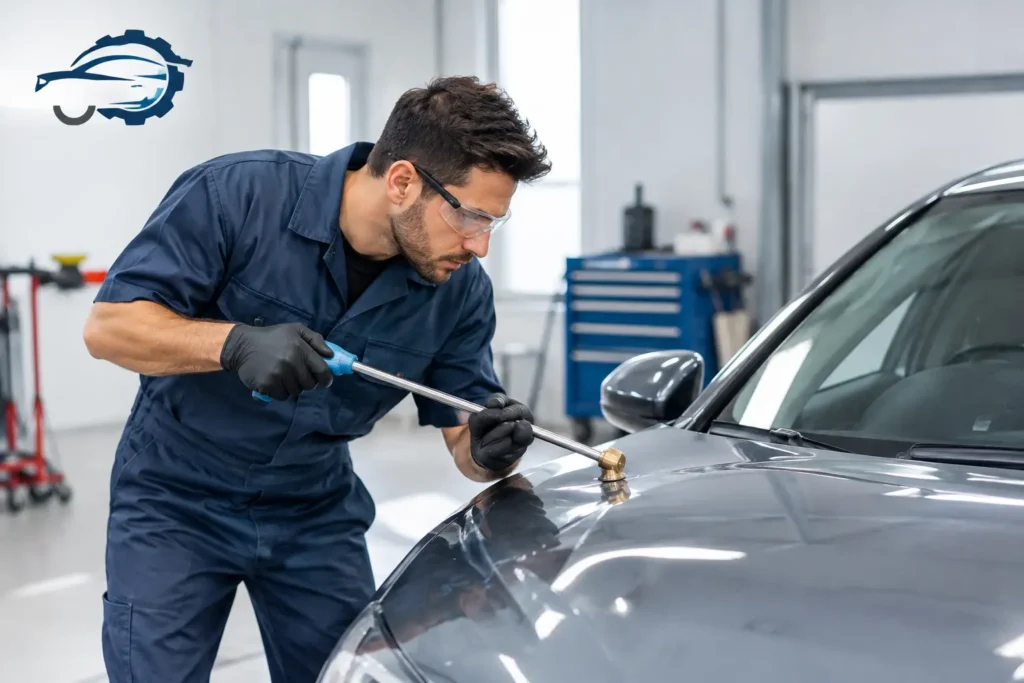
Paintless dent repair, often called PDR, is a specialized process used to reshape a damaged panel without sanding, body filler, or repainting it. For many hail-damaged vehicles, it is the preferred repair method because it preserves the original factory paint.
Technicians access the back side of a panel when possible and use purpose-built tools to gently and gradually move the metal back into position. On some areas, such as certain roof rails or door panels, access may be limited. In those cases, a technician may use a controlled exterior pulling method designed for paintless repair.
The work requires patience. Pushing too aggressively can overstress the metal or create high spots, while working too slowly in the wrong area can leave distortion around the original dent. A quality repair is about restoring the panel’s shape as naturally as possible, not simply making the deepest part of a dent less noticeable.
PDR can be especially effective on broad, shallow hail dents with undamaged paint. It is commonly used on hoods, roofs, trunk lids, and door panels. It may also help maintain the vehicle’s original finish, which matters to many owners when considering appearance and resale value.
When Conventional Body and Paint Repair Is Needed
Not every hail dent qualifies for paintless repair. A sharp impact can crack the clear coat or chip the paint down to primer or metal. Once the finish is compromised, simply reshaping the panel does not restore its protection from moisture or its appearance.
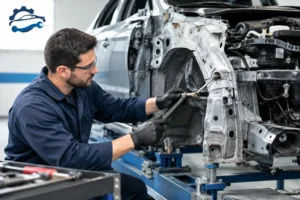
Conventional repair may involve carefully straightening the affected area, applying a minimal amount of body filler where appropriate, sanding, priming, color matching, and refinishing the panel. The final process includes blending or adjacent-panel work when needed to create a consistent color and finish.
Aluminum panels can add another consideration. Aluminum does not respond exactly like steel, and it requires the right techniques and equipment to repair properly. The same is true for panels with complex curves, reinforced areas, and pronounced styling lines. A shop should assess the material and damage rather than assume every dent can be handled the same way.
In some cases, replacement makes more sense than repair. This can apply to badly damaged trim, cracked lights, broken mirrors, or panels that cannot be restored responsibly. The decision should be based on the condition of the part, repair quality, and the overall repair plan – not just the visible size of a dent.
Glass, Trim, and Hidden Hail Damage
Hail damage is not limited to sheet metal. Windshields, sunroofs, side glass, and rear glass can chip, crack, or break during a severe storm. Even a small glass chip deserves attention because temperature changes, road vibration, and moisture can allow it to spread.
Technicians also inspect weatherstrips, moldings, roof components, mirrors, antenna assemblies, and exterior sensors. Loose or cracked trim can affect both appearance and function. If water can enter around damaged glass or seals, addressing it promptly helps prevent more complicated concerns later.
A thorough estimate should account for these items, even if the first thing you notice is a dented hood. Clear documentation supports a complete repair plan and gives the vehicle owner a better understanding of what will be repaired, replaced, or further evaluated.
The Role of Insurance in Hail Repairs
Hail damage is commonly handled under comprehensive auto insurance coverage, though coverage and deductibles vary by policy. A collision repair shop can help document visible damage, prepare an estimate, and communicate repair information needed during the claim process. That assistance can make an unfamiliar process easier to manage without making assumptions about what a policy will cover.
Drivers should take a few clear photos of the vehicle soon after the storm, including wide shots and close-ups of dents, glass damage, and any broken trim. It is also helpful to avoid washing, waxing, or attempting home repairs before the vehicle is inspected, especially if paint damage is present.
A shop estimate and an insurer’s initial estimate may not always match line for line at first. Some damage becomes clearer after trim is removed, panels are cleaned, or detailed lighting is used. When additional repair needs are found, the shop can document them and work through the appropriate estimate process with the insurer.
Why DIY Hail Repair Can Create More Work
Online hail repair kits can make dent removal look simple, but vehicle panels are thinner and more complex than they appear. A glue puller or improvised tool may create a high spot, pull on compromised paint, or distort a body line. Heat-based methods can also damage paint or trim when used without proper control.
Popping a dent outward is not the same as restoring the panel. Proper hail repair involves reading reflections, controlling the metal a fraction at a time, and checking the surrounding surface throughout the process. If the paint is chipped, a do-it-yourself attempt can expose bare metal or make the eventual refinishing process more involved.
For minor cosmetic dents, it may be tempting to wait. That choice can be reasonable if the paint, glass, and seals are undamaged and the owner accepts the appearance. However, a timely professional inspection is worthwhile after a major storm because it identifies damage that may be missed in ordinary lighting and helps document the vehicle’s condition.
Choosing a Shop for Hail Damage Repair
The right repair shop should explain which method fits the vehicle and why. Ask whether the dents can be repaired with paintless dent repair, whether paint damage is present, and whether glass or trim needs separate attention. You should also receive a clear estimate and realistic communication about the scope of the work after inspection.
At Carbon Collision Repair, every hail-damaged vehicle is evaluated with the same attention given to collision and cosmetic repairs. The goal is to recommend an honest repair path that protects the vehicle’s appearance, finish, and long-term condition while helping customers navigate the estimate and insurance process with clarity.
After a hailstorm, an inspection is a practical first step. It gives you a clearer picture of the damage, protects you from overlooking cracked paint or glass, and lets you choose the repair approach that makes sense for your vehicle.