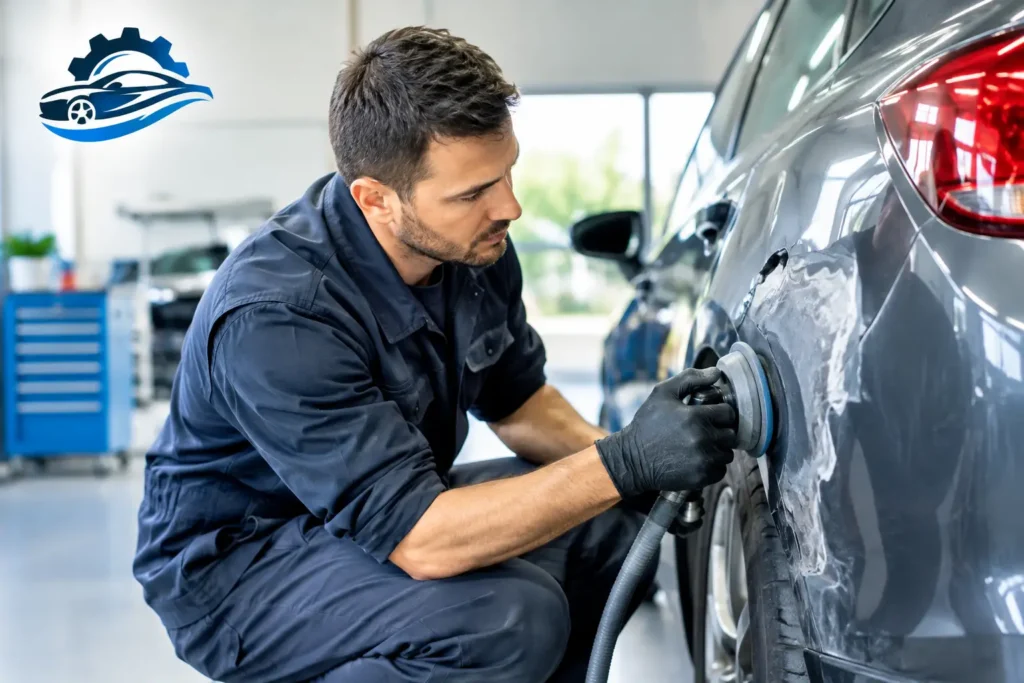
A damaged bumper can look like a simple cosmetic problem until a closer inspection reveals broken mounting points, damaged sensors, or hidden damage behind the cover. That is why a Lake County bodywork guide should start with one clear point: quality auto body repair is about more than making damage less visible. It is about understanding what happened, identifying what the vehicle needs, and restoring it with care.
After an accident, most drivers are balancing a lot at once. There may be an insurance claim to begin, transportation to arrange, and uncertainty about whether the vehicle is safe to drive. Knowing what to expect from the repair process can make the next steps feel much more manageable.
Lake County Bodywork Guide: Start With a Complete Inspection
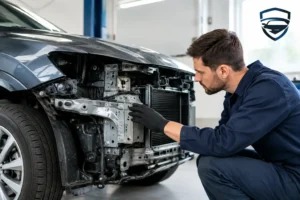
An accurate repair plan begins with an inspection, not a quick glance at the most obvious dent or scratch. Modern vehicles have a great deal of technology behind exterior panels, including sensors, wiring, brackets, reinforcement bars, and safety-related components. Damage that appears limited to a fender, door, or bumper may extend farther than expected.
A qualified auto body shop should inspect the affected area carefully and explain what is visible at the first visit. In some cases, additional damage is found only after parts are removed. That does not automatically mean the original estimate was careless. Hidden damage is common in collision repair because many important parts sit behind painted panels and trim.
Clear communication matters here. You should understand what work is planned, why it is needed, and whether the repair approach may change after disassembly. An honest shop will keep you informed if the scope of repairs needs to be updated.
Cosmetic Damage Is Not Always Just Cosmetic
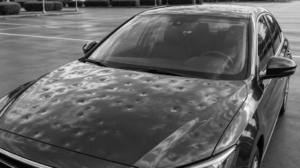
Small dents, paint scuffs, scratches, and cracked bumper covers can make a vehicle look neglected, but appearance is not the only concern. Exposed metal can eventually corrode, while chipped paint near a panel edge may spread. A damaged bumper cover can also conceal broken retainers that cause poor fitment or rattling.
For light damage, the right repair may be targeted dent repair and refinishing rather than replacing a complete panel. For deeper dents, torn metal, cracked plastic, or damage near body lines, a more involved repair may be necessary. The best option depends on the material, damage location, paint condition, and how well the repaired area can be restored.
A good estimate should focus on the condition of your specific vehicle, not a one-size-fits-all answer. Repairing a panel can be a practical choice when it preserves a proper fit and finish. Replacement may make more sense when damage affects the panel’s strength, shape, or ability to hold paint properly.
Structural and Frame Repairs Need Precise Attention
Not every collision causes structural damage, but impacts to the front, rear, side, or wheel area can affect more than the outer body. A vehicle may pull to one side, show uneven panel gaps, have a steering concern, or display damage around suspension components. Sometimes there are no obvious driving symptoms at all.
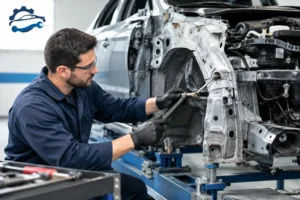
Structural repair involves measuring and correcting the vehicle’s underlying support areas when needed. This work is different from fixing a surface dent. Proper measurements, repair procedures, and careful reassembly help ensure panels, mechanical components, and safety systems have the correct foundation.
If your vehicle was in a moderate or serious impact, do not make a decision based only on how the exterior looks. Ask whether the shop will inspect for structural and mechanical concerns. A thorough evaluation can help prevent smaller issues from becoming longer-term problems.
Paintwork Should Restore More Than Color
Paint repair is one of the most visible parts of bodywork, and it requires more than selecting a paint code. Sun exposure, age, previous repairs, and normal wear can change how a vehicle’s finish appears over time. A skilled painter considers the vehicle’s current color condition, not just the original factory formula.
The repair may require refinishing a damaged panel, blending color into adjacent panels, or addressing a larger area if the finish calls for it. Blending is often used to create a natural transition between newly applied paint and the existing finish. The goal is a consistent appearance, proper coverage, and a clean final result.
For drivers who want to refresh an aging finish or change their vehicle’s look, custom paintwork and complete resprays involve a different level of planning. Surface preparation, body condition, color selection, and finish expectations should all be discussed before work begins. Classic vehicles can require even more patience, because preserving their character often calls for repair decisions that differ from those for a late-model daily driver.
What to Expect From the Insurance Claim Process
Insurance paperwork can be one of the more stressful parts of collision repair. You have the right to ask questions about the estimate, the repair process, and the documentation your insurer may need. A repair shop can help explain the damage and assist with claim-related communication, making the process easier to follow.
An initial insurance estimate may not include damage that cannot be seen until the vehicle is taken apart. When additional collision-related damage is identified, the shop may prepare supplemental documentation for review. This is a normal part of many repairs, particularly when there is damage behind bumpers, panels, lights, or suspension areas.
Keep records of claim information, take photos of the damage when practical, and ask for clarity when you are unsure what a line item means. You do not need to understand every technical repair term, but you should feel comfortable asking for an explanation.
How to Choose a Body Shop You Can Trust
The right body shop is not simply the one that gives the fastest verbal answer. Look for a team that takes time to inspect the vehicle, explains the proposed work in plain language, and communicates clearly when the repair plan changes.
It also helps to ask how the shop handles the type of damage you have. A minor parking-lot dent, a collision with possible structural damage, a broken windshield, and a classic car restoration each call for different experience and equipment. The shop should be comfortable discussing the specific repair approach rather than making broad promises.
Pay attention to how you are treated from the first conversation. Vehicle repairs can be inconvenient, especially after an accident, but the experience should not feel confusing or impersonal. Locally owned shops often provide an added level of accountability because the people discussing the repair are connected to the work being done.
At Carbon Collision Repair, drivers can request a free estimate and receive guidance on collision repairs, cosmetic bodywork, paint, glass, mechanical concerns, and insurance claim assistance. The focus is straightforward: explain the work, repair the vehicle carefully, and keep the customer informed.
A Few Smart Steps Before Leaving Your Vehicle
Before authorizing repairs, remove personal belongings from the cabin, console, trunk, and glove box. Take photos of the vehicle’s overall condition and note any existing concerns that are unrelated to the accident. If you have a claim number or insurer contact information, keep it available for the shop.
It is also useful to ask how updates will be handled. Repair times can depend on the extent of damage, parts availability, insurer review, and findings after disassembly, so an exact timeline is not always possible at the first inspection. What matters is that the shop communicates promptly and gives you realistic information as the work progresses.
A vehicle does not need to look severely damaged to deserve professional attention. Whether you are dealing with a scraped door, a damaged bumper, collision-related structural concerns, or a finish that needs renewed life, careful bodywork protects both the appearance of your vehicle and your confidence in it. Start with a clear inspection, ask practical questions, and choose a repair team that treats your vehicle with the same care you would.