A collision does not have to leave obvious damage to affect how a vehicle drives. A bent frame or unibody can cause the vehicle to pull, wear through tires faster, or make later repairs harder to complete correctly. The top benefits of frame alignment come down to restoring the foundation beneath the visible bodywork, so the vehicle can be repaired with proper fit, handling, and long-term reliability in mind.
For drivers dealing with accident damage, frame alignment is not an optional cosmetic step. When inspection shows that structural measurements are out of specification, it is a critical part of a complete repair plan. The work requires precise measuring equipment, the right repair procedures, and technicians who understand how structural damage can affect the entire vehicle.
What Frame Alignment Actually Addresses
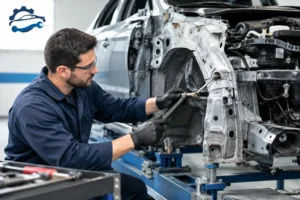
Many modern vehicles do not have a traditional full frame. Instead, they use a unibody structure, where the frame rails, floor, pillars, roof supports, and other panels work together as the vehicle’s structural foundation. Trucks and some larger vehicles may have a separate frame beneath the body. In either case, an impact can shift, twist, crush, or bend structural components.
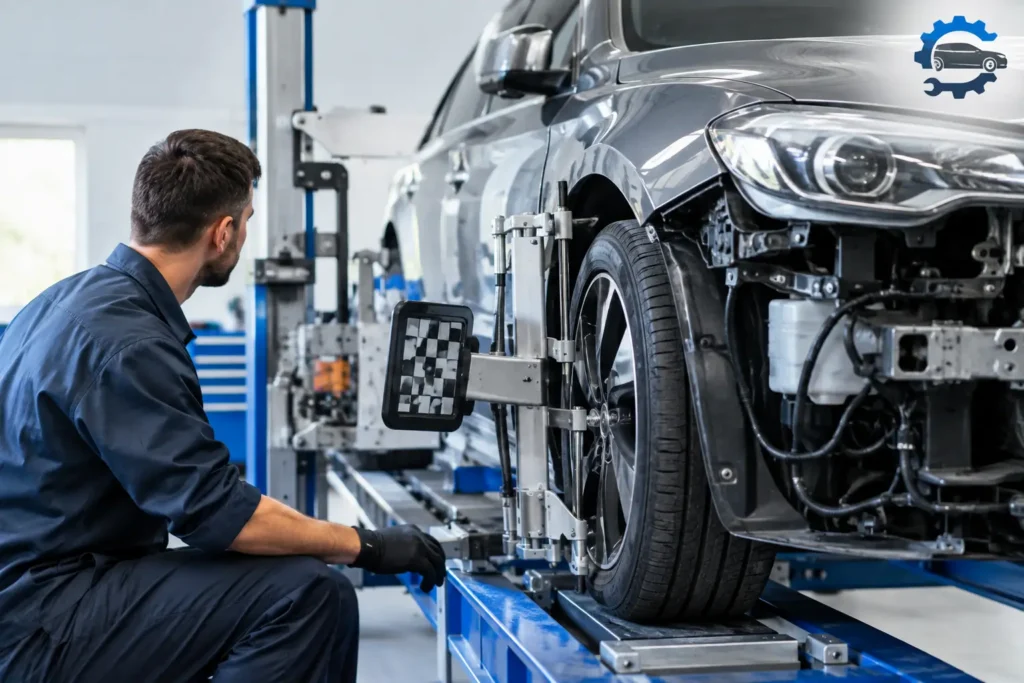
Frame alignment, often called structural alignment or frame straightening, uses computerized measuring systems and controlled pulling equipment to compare the vehicle’s structure against manufacturer dimensions. The goal is to identify and correct structural deviations before the rest of the collision repair moves forward.
It is also different from a standard wheel alignment. A wheel alignment adjusts suspension angles so the tires meet the road properly. Frame alignment corrects the structure that supports the suspension, body panels, and many other systems. A vehicle may need one, the other, or both after an accident.
Top Benefits of Frame Alignment for Your Vehicle
Restores more predictable handling
When a structural component is out of position, it can change the relationship between the suspension, steering, and wheels. A driver may notice drifting, a steering wheel that no longer sits centered, vibration, or a vehicle that feels unsettled on familiar roads.
Proper frame alignment helps return the vehicle to its intended geometry before suspension alignment is finalized. That gives technicians a sound starting point for correcting steering and wheel-angle concerns. It cannot erase every issue on its own, especially if suspension parts were also damaged, but it prevents a bent structure from working against the rest of the repair.
Helps prevent uneven tire wear
Tires can reveal problems long after a collision. If wheel angles cannot be set correctly because the mounting points or structure are shifted, the inside or outside edge of a tire may wear much faster than expected. Replacing tires without addressing the underlying cause can turn into an expensive cycle.
Structural alignment helps ensure that wheel alignment adjustments are made within the range the vehicle was designed to accommodate. This supports more even tire wear and can help drivers get the expected service life from their tires, provided the suspension, tire pressure, and regular maintenance are also in good condition.
Allows body panels and doors to fit correctly
A bumper cover, hood, fender, door, or liftgate may look like a separate repair issue, but panel fit often depends on the structure underneath it. If a rail, apron, pillar, or mounting point remains out of position, gaps may be uneven and doors may not close or latch as they should.
Correcting structural measurements first gives body panels a proper foundation for installation. This matters for appearance, but it also matters for practical details such as weather sealing, door operation, and proper placement of lights and exterior trim. A quality repair should not rely on forcing panels to hide a structural problem.
Supports proper operation of vehicle systems
Modern vehicles contain much more than metal panels and mechanical components. Cameras, radar sensors, parking sensors, headlights, active safety features, and electrical connections may all depend on accurate mounting locations. Even small changes in structural position can affect how related components fit or function.
Frame alignment is one part of returning those mounting areas to the correct position. Depending on the vehicle and the damage, the repair may also call for component replacement, diagnostic scanning, wheel alignment, or calibration procedures. Each vehicle has different requirements, which is why a thorough inspection matters more than making assumptions based on exterior damage alone.
Preserves the quality and durability of later repairs
Collision repair is a sequence. If the structural foundation is not corrected first, paintwork, panel replacement, glass installation, mechanical repairs, and final fitment can all become more complicated. Problems may not be visible immediately, but poor panel alignment, recurring vibrations, or accelerated wear can emerge over time.
Addressing frame damage at the proper stage helps the rest of the repair process proceed as intended. It gives technicians accurate reference points and reduces the need for unnecessary adjustments elsewhere. That attention to the order of repairs is a major reason structural work should never be rushed.
Helps protect vehicle value and repair documentation
Accident history can affect a vehicle’s value, but documented repairs completed with appropriate procedures are far different from damage that was overlooked or poorly corrected. Structural measurements and repair records can demonstrate that the vehicle was inspected and repaired with care.
This does not mean frame alignment automatically restores every dollar of resale value after a collision. Market conditions, vehicle age, mileage, prior condition, and the severity of the accident all play a role. Still, completing necessary structural repairs supports the vehicle’s condition and provides a clearer record for future owners, appraisers, or service professionals.
Signs That a Structural Inspection May Be Needed
Visible damage is not the only reason to ask about frame or unibody alignment. A relatively low-speed impact can still affect areas behind the bumper, particularly when the impact lands near a wheel, corner, or structural mounting point.
Pay attention if the vehicle pulls to one side, the steering wheel is off-center, a door or trunk no longer closes smoothly, body gaps look uneven, or new tire wear appears after the accident. Other signs include a hood that will not align properly, unusual road noise, or suspension components that cannot be aligned to specification.
None of these symptoms confirms frame damage by itself. A damaged tire, bent wheel, worn suspension part, or simple door adjustment can produce similar concerns. The value of a professional inspection is separating the symptoms from the actual cause before repairs are approved.
Why Accurate Measuring Matters Before Repairs Begin
Structural damage is not always visible to the eye. A vehicle can appear nearly normal while a frame rail or unibody point sits slightly out of place. That is why reliable collision repairs begin with measuring, not guesswork.
At Carbon Collision Repair, technicians inspect the vehicle, identify visible and hidden damage, and explain the recommended work in clear terms. If frame or structural alignment is needed, the repair plan should account for it before refinishing and final assembly. Customers should also expect communication if an inspection reveals additional damage that was not apparent at the start.
Insurance claims can add another layer of stress after an accident. A repair shop can help document damage and work with the insurance process, while the vehicle owner remains informed about the repairs being considered. Coverage decisions ultimately depend on the policy and insurer, but clear repair documentation helps keep the conversation focused on the vehicle’s actual condition.
Frame Alignment Is Not a One-Size-Fits-All Repair
Not every collision requires frame alignment. A minor dent in a door or bumper cover may be limited to cosmetic repair, while a more direct impact can require extensive structural measuring and correction. The vehicle’s construction, point of impact, severity of damage, and inspection results determine what is appropriate.
Likewise, alignment work is not a substitute for replacing components that are crushed, cracked, or otherwise beyond repair. Some structural parts can be repaired according to approved procedures, while others should be replaced. The right approach is the one that follows the vehicle’s repair needs rather than the quickest-looking solution.
If your vehicle has been in an accident, do not judge the repair only by what you can see from the outside. A careful structural inspection can provide the confidence to make informed decisions and help ensure the repairs beneath the paint receive the same attention as the damage everyone notices.