
The hours after a crash can feel like a blur. You may be arranging a tow, checking that everyone is okay, and trying to understand what happened to your vehicle. Knowing how to file a collision claim before the repair process begins can replace some of that uncertainty with a clear next step.
A collision claim is generally used to pay for damage to your own vehicle after it strikes another vehicle or object, or rolls over. The details of coverage, deductibles, fault, and claim handling vary by policy and insurer. What does not change is the value of thorough documentation, prompt communication, and a repair shop that can explain what your vehicle needs.
Start at the Scene, If It Is Safe
Your first responsibility is safety. Move to a safe location if the vehicle can be driven safely, turn on hazard lights, and contact emergency services when appropriate. Do not attempt to inspect damage in an unsafe roadway or put yourself at risk to take photos.
Once you are in a safe place, gather the information that will support your claim. Exchange names, contact details, driver’s license information, insurance information, and vehicle details with the other driver. If an officer responds, ask how to obtain the report or report number.
Photos are especially useful because they capture conditions before the vehicles are moved or repaired. Take wide photos showing the position of the vehicles and the surrounding area, then closer photos of visible damage. Include license plates, traffic signs or signals, road conditions, debris, and any relevant marks on the road when possible.
If there were witnesses, ask for their names and contact information. Keep your notes factual. A simple record of the time, location, weather, and what you observed is more helpful than trying to sort out every detail at the scene.
How to File a Collision Claim With Your Insurer
Contact your insurance company as soon as reasonably possible. Most insurers allow you to start a claim by phone, through an app, or online. You will usually need your policy number, the date and location of the accident, information about the other vehicle or driver, and your photos or police report details if available.
Describe the incident clearly and accurately. If you do not know an answer, say so rather than guessing. The insurer will assign a claim number, which you should save along with the name and contact information of the representative handling the claim.
During that first conversation, ask practical questions about your coverage. Confirm whether you have collision coverage, what deductible applies, and whether the insurer needs an inspection before repairs begin. Ask how they prefer to receive photos, estimates, supplements, and repair updates. Clear answers early on can prevent delays later.
A collision claim is not always the only possible path. Depending on the circumstances, you may be working through your own collision coverage, another driver’s insurer, or a different portion of your policy. Your insurer can explain the claim options available under your coverage. Avoid authorizing major repairs until you understand the process, unless immediate work is needed to prevent additional damage or make the vehicle safe to transport.
Understand Your Deductible
Your deductible is the amount you are responsible for under the terms of your policy before covered collision repairs are paid. It is not necessarily the total cost of the repair, and it may be handled directly with the repair facility when you pick up your vehicle.
Review your policy or ask your insurer to confirm the amount. If the damage appears minor, compare the expected repair cost with your deductible before deciding whether to proceed with a claim. A professional estimate can help you make an informed decision, but hidden damage is common after an impact. What looks like a scuffed bumper can involve damaged brackets, sensors, mounting points, or structural components behind it.
Choose the Repair Shop That Will Repair Your Vehicle
You have a meaningful role in choosing where your vehicle is repaired. Insurance companies may provide repair information or direct you to a claims process, but the repair shop should be one you trust to inspect the damage carefully, communicate clearly, and stand behind the workmanship.
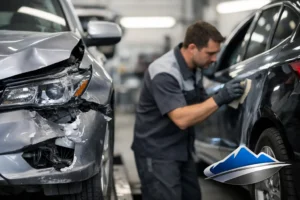
Look for a full-service collision repair facility that can address more than the visible dent or broken panel. Collision work may involve body repair, paint matching, glass service, mechanical concerns, wheel alignment, frame or structural measurements, and calibration-related needs depending on the vehicle and impact. The right repair plan is based on a thorough inspection, not a quick glance at the exterior.
At Carbon Collision Repair, customers can bring in their claim number and receive help understanding the estimate and repair process. The shop works with insurance companies while keeping the vehicle owner informed about what is found, what is needed, and what comes next. That personal communication matters when repairs uncover damage that was not visible in the initial photos or estimate.
Get a Complete Damage Assessment
An initial insurance estimate is often a starting point, not a final repair blueprint. Some damage cannot be confirmed until the vehicle is cleaned, disassembled, or measured. This is particularly true for bumper impacts, side collisions, and damage around wheels, suspension parts, headlights, or vehicle safety systems.
Your repair facility may submit a supplement if additional collision-related damage is found during the repair process. A supplement is a request for the insurer to review necessary work that was not included in the original estimate. It is a normal part of many collision repairs and should not be treated as a sign that something has gone wrong.
Ask the shop to explain the repair plan in plain language. You should understand whether parts will be repaired or replaced, whether paintwork is required, and whether structural or mechanical issues need attention. For newer vehicles, it is also reasonable to ask how collision damage could affect cameras, sensors, lights, or other systems located near the impact area.
Keep Your Claim Organized
A small amount of organization can make claim communication much easier. Save your claim number, photos, police report information, insurer messages, estimate, and repair facility contact details in one folder on your phone or computer. Write down the date, time, and a brief note after important calls.
If your vehicle is not drivable, ask your insurer about towing instructions and available transportation benefits under your policy. If you need to leave the vehicle at a shop, remove personal belongings and keep your keys, registration, and any required claim information ready for drop-off.
Stay responsive if the insurer or repair facility contacts you with questions. At the same time, do not feel pressured to approve something you do not understand. A dependable shop should be willing to explain the work, communicate with the insurer as needed, and keep you updated as the repair moves forward.
Common Mistakes That Can Slow Repairs
The most common issue is waiting too long to report damage. Reporting promptly helps preserve details and gives you a clearer path toward inspection and repair. Another mistake is relying only on surface photos. Photos matter, but they do not replace a hands-on assessment by trained technicians.
It can also create complications when vehicle owners make temporary repairs without documenting the original damage. If you need to protect the vehicle from weather or secure a loose part, take photos first and keep receipts for any necessary temporary measures.
Finally, do not assume that an estimate tells the complete story before the vehicle is inspected. A quality repair is about restoring fit, finish, function, and the components affected by the impact. The repair process should move at the pace required to identify and address the actual damage.
After an accident, you do not need to have every answer before taking action. Start the claim, keep your documentation, and choose a repair team that treats your questions and your vehicle with care. That gives you a steadier path from an unexpected collision to repairs you can feel confident about.