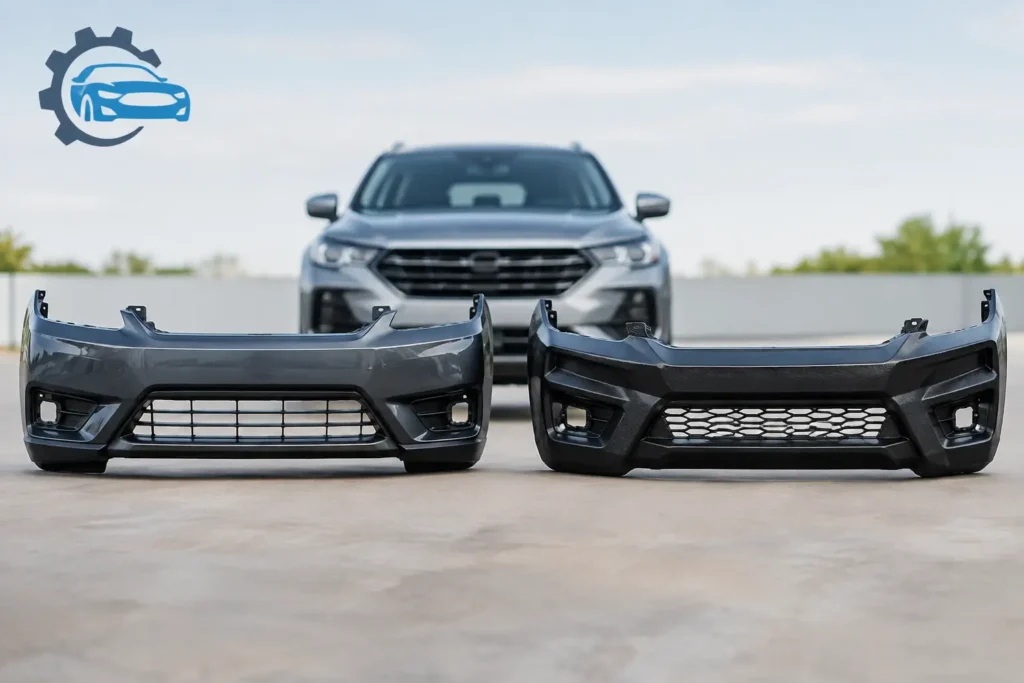
A damaged bumper can make a straightforward repair feel like a complicated decision. When comparing OEM versus aftermarket bumpers, the right answer depends on more than the part’s price tag. The vehicle’s age, the extent of the collision, available parts, insurance coverage, parking sensors, cameras, and your expectations for appearance all matter.
A bumper is also more than the painted panel most people see. Modern bumper assemblies can include reinforcement components, energy-absorbing materials, mounting brackets, grilles, trim, fog lights, sensors, radar units, and camera hardware. Choosing a replacement should start with an inspection of the full damage, not simply a search for a bumper cover that looks close enough.
What Is an OEM Bumper?
OEM stands for Original Equipment Manufacturer. An OEM bumper is made by, or produced to the specifications of, the vehicle manufacturer. It is designed for a particular make, model, trim level, and often a specific model year range.
The main advantage is consistency. An OEM bumper is generally built to match the vehicle’s original mounting points, body lines, material specifications, and factory appearance. That can make a meaningful difference on newer vehicles, luxury vehicles, and vehicles with advanced driver-assistance features.
Fitment matters because small differences can become noticeable after paint and installation. A bumper that aligns cleanly with the headlights, fenders, hood, and grille helps restore the vehicle’s original appearance. It can also reduce the time needed to adjust trim, clips, and related components during reassembly.
OEM parts are not automatically the right choice in every repair. They may cost more than other options, and availability can vary. If a part is on backorder, a repair plan may need to account for that reality rather than promise a completion date before the parts are confirmed.
What Is an Aftermarket Bumper?
An aftermarket bumper is made by a company other than the original vehicle manufacturer. Quality varies widely because aftermarket parts are produced by many different suppliers, with different materials, manufacturing processes, and standards.
A well-made aftermarket bumper can be a practical option, particularly for an older daily driver or a repair where cost is a major consideration. It may be available sooner and may help keep an estimate within the limits of a customer’s budget or insurance repair plan.
The trade-off is that not every aftermarket bumper fits or finishes the same way. Some require more adjustment during installation. Others may have differences in plastic thickness, texture, mounting tabs, or openings for grilles and accessories. A lower initial part cost can lose its advantage if additional preparation, modification, or replacement components are needed to achieve a proper result.
That does not mean aftermarket parts should be dismissed. It means the specific part and vehicle need to be evaluated carefully. A quality repair shop considers how a part fits the vehicle, what equipment it must support, and whether it will help meet the goals of the repair.
OEM Versus Aftermarket Bumpers: The Differences That Matter
The most visible difference is usually fit and finish. OEM bumper covers are designed around the vehicle’s original body dimensions, while aftermarket fitment can range from very good to inconsistent. On a vehicle with tight panel gaps, metallic paint, or detailed trim, even a minor mismatch can stand out.
Material quality is another consideration. Bumpers are commonly made from flexible plastics that must hold their shape, accept refinishing, and work with related mounting and impact-management components. The material used can affect how the cover responds to temperature changes, how it handles repairs, and how well it supports a durable paint finish.
Paint preparation is equally important. Whether the bumper is OEM or aftermarket, the part must be inspected, prepared, primed as needed, color-matched, and refinished correctly. A bumper can fit well but still look out of place if the color match, texture, or blend work is not handled with care.
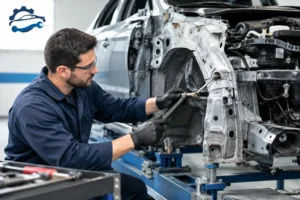
There is also the issue of components behind the bumper cover. A collision may damage brackets, absorbers, retainers, reinforcements, underbody shields, wiring, or sensor mounts. Replacing only the visible cover without addressing those items can affect fitment and leave the repair incomplete.
Sensors, Cameras, and Driver-Assist Features
Modern vehicles make bumper selection more technical than it once was. Parking sensors, blind-spot radar, front cameras, adaptive cruise-control components, and other equipment may be located in or near the bumper assembly.
The replacement part must be compatible with that equipment and installed correctly. In some cases, the vehicle may require diagnostic checks or calibration after repairs. The necessary steps depend on the vehicle and the damage, so they should be determined through inspection and manufacturer repair information, not assumptions.
This is one reason a bumper repair should not be treated as cosmetic work alone. A qualified shop looks beyond the painted surface to identify what needs attention before the vehicle is returned to the road.
How Cost and Insurance Affect the Decision
Aftermarket bumpers often have a lower upfront part cost, which is why they may appear on some repair estimates. OEM parts can cost more, especially on newer vehicles or models with specialized trim and technology.
Still, price is only one part of value. A less expensive bumper may be a reasonable choice if it fits properly, supports the needed components, and meets the repair goals. An OEM bumper may make more sense when precise fit, factory-style appearance, or compatibility with vehicle features is the priority.
Insurance estimates can specify the type of parts proposed for a repair, but every claim and policy is different. It is reasonable to ask questions about the parts listed on an estimate, why they were selected, and whether OEM options are available. A repair facility can help explain the practical differences and communicate with the insurer during the process, without making assumptions about coverage or approval.
For many customers, the best path is not choosing the least expensive or most expensive option by default. It is choosing the part that makes sense for the vehicle, the damage, and the expected outcome.
When OEM Is Often Worth Considering
OEM bumper components are often worth a closer look when a vehicle is newer, leased, high-value, or equipped with extensive camera and sensor technology. They can also be a strong choice when the vehicle has distinctive body lines, specialty trim, or a finish where small alignment differences would be especially noticeable.
Owners of collector vehicles and well-kept classic cars may also place a higher value on originality and precise appearance. In those cases, the condition of surrounding panels, existing trim, and the overall restoration plan deserve careful consideration alongside the bumper itself.
When an Aftermarket Bumper Can Be a Practical Choice
A quality aftermarket bumper may be appropriate for an older vehicle, a work vehicle, or a daily driver where the owner wants a dependable repair while managing costs. It can also be a sensible option when an acceptable part is available and its fit and compatibility have been verified.
The key word is quality. The part should be evaluated before paint and installation, not discovered to be a poor fit after work has already begun. Honest communication about the available options gives vehicle owners the ability to make an informed choice rather than feeling surprised by the result.
Start With a Complete Repair Plan
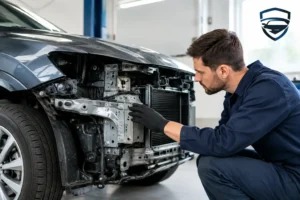
Before selecting a bumper, ask the repair shop to inspect the full area of impact. The conversation should cover the visible damage, hidden damage that may be present, the vehicle’s sensors and trim, the replacement-part options, and the refinishing work required for a consistent appearance.
At Carbon Collision Repair, that process starts with a careful assessment and a clear explanation of the repair options. For drivers in Antioch and surrounding communities, a free estimate can provide a practical place to begin after an accident or cosmetic damage.
The right bumper is the one that supports a complete, well-considered repair. Taking a little time to understand the options can help you move forward with greater confidence in how your vehicle will look, fit, and function after the work is done.