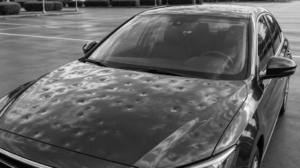
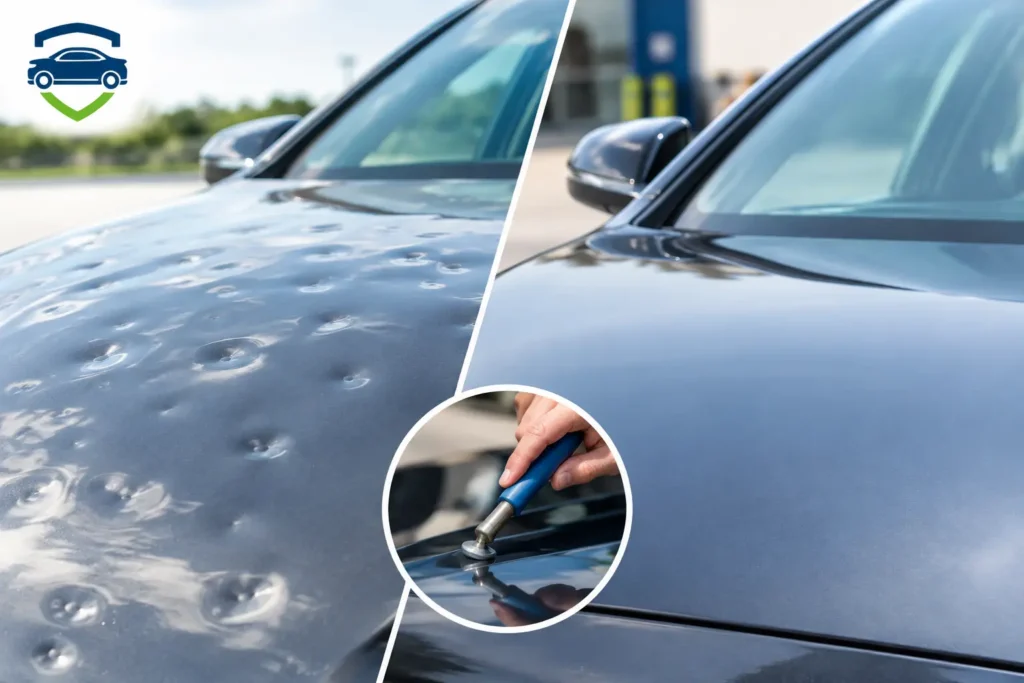
A hailstorm can leave a vehicle looking far worse in sunlight than it did in the driveway. Small dents across the roof, hood, and trunk may seem cosmetic at first, but practical hail repair examples show why a thorough inspection matters. The visible damage is only part of the picture. Glass, paint condition, body lines, trim, and the number of affected panels all help determine the right repair plan.
For drivers in northeastern Illinois and southeastern Wisconsin, hail damage can arrive quickly and affect more than one vehicle in the household. Knowing what different levels of damage look like can make the next step less stressful, whether you are preparing an insurance claim or simply deciding when to bring your vehicle in for an estimate.
Hail Repair Examples: From Light Dents to Full-Panel Damage
No two hail-damaged vehicles are exactly alike. Hail size, wind direction, storm duration, vehicle design, and where the vehicle was parked can all change the result. A careful repair plan is based on the actual condition of each panel, not just how many dents are visible from one angle.
Example 1: Small roof and hood dents with intact paint
This is one of the most common hail damage situations. A vehicle may have several shallow, round dents on the roof and hood, while the paint surface remains intact. The dents are often difficult to see on an overcast day but become obvious under shop lighting or when viewed at an angle.
When the metal has not stretched significantly and the paint is still in good condition, paintless dent repair may be an appropriate option. This method uses specialized tools and controlled pressure to carefully reshape the panel from behind or through approved access points. Because the original finish can remain in place, it may avoid the need for refinishing on that panel.
That said, paintless dent repair is not automatically the answer for every shallow dent. Access behind the panel, the location near a body line, the metal or aluminum construction, and the number of dents all matter. A roof with dozens of dents may require a more detailed repair strategy than a hood with a few isolated marks.
Example 2: Dents along sharp body lines or panel edges
Modern vehicles often have pronounced style lines along the hood, doors, fenders, and quarter panels. These lines add shape to the vehicle, but they can make hail repair more involved. A dent placed directly on a crisp body line may distort the contour in a way that is harder to correct than a similar dent in the flat center of a panel.
A skilled technician evaluates whether the panel can be restored while maintaining the original line and finish. In some cases, paintless dent repair can still be used. In others, conventional dent repair and refinishing may provide the more dependable result, particularly if the panel has sharp creases, damaged paint, or difficult access.
The trade-off is straightforward: preserving the original paint is valuable when it can be done properly, but the repair method should never be chosen simply because it sounds less involved. The goal is a repair that restores the panel’s appearance and fits the condition of the vehicle.
Example 3: Paint chips, cracks, or exposed metal
Hail does not always leave paint untouched. Larger hailstones or hard impacts can chip paint on the hood, roof, or deck lid. A cracked finish may expose bare metal, creating an opening where moisture can contribute to corrosion over time.
This type of damage generally requires more than dent removal. The damaged area may need to be repaired, prepared, primed, and refinished to restore the color and protect the surface. Depending on the extent and placement of damage, the shop may need to blend adjacent panels so the repaired area matches the surrounding finish as naturally as possible.
Customers sometimes wait on small paint chips because the vehicle remains drivable. That is understandable, but an early inspection helps identify whether the damage is limited to the clear coat or reaches the metal beneath it. Addressing exposed areas before weather has more time to affect them is usually the wiser course.
Example 4: Cracked windshield, damaged glass, or broken trim
Not all hail damage is in the sheet metal. A direct strike can crack a windshield, chip side glass, damage a sunroof, or loosen exterior trim. These issues deserve prompt attention, especially when a crack affects visibility or allows water into the cabin.
Glass damage should be evaluated separately from the dents in the body panels. A small chip may be repairable in some circumstances, while a spreading crack or damage near the edge of the windshield may call for replacement. The correct decision depends on the location, size, depth, and condition of the glass.
During a hail inspection, it also makes sense to check moldings, mirrors, lamps, antennas, weatherstripping, and plastic components. These parts can be overlooked when the roof and hood have obvious dents, yet they can affect appearance, water management, and daily use of the vehicle.
Example 5: Widespread dents across multiple panels
A severe storm can damage the hood, roof, trunk, doors, fenders, and quarter panels in one event. From a distance, the vehicle may still look acceptable. Up close, the finish can appear uneven, especially under direct sun or parking lot lights.
With widespread damage, the repair process begins with documenting every affected area. A proper estimate accounts for the number, location, and severity of dents, as well as necessary disassembly, parts, refinishing, and reassembly. Hidden damage can become more apparent once trim pieces, headliners, lamps, or other components are removed for access.
This is also where clear communication becomes especially useful. An insurance estimate may be based on an initial visual inspection, while a repair facility may identify additional necessary work after the vehicle is inspected more closely. That is not unusual with hail damage. The key is documenting the condition carefully and explaining what the repair requires before work moves forward.
Why Hail Damage Is Not Always Just Cosmetic
A dented panel can affect more than how a vehicle looks. Damage to paint can expose metal. Damaged seals, trim, or glass can allow moisture inside. On vehicles with aluminum panels or complex contours, repairs require the right process and equipment to avoid creating additional distortion.
Appearance matters, too. Hail damage can be especially frustrating on a newer vehicle, a well-maintained family car, or a classic vehicle with a carefully preserved finish. Restoring the bodywork helps protect the vehicle’s overall presentation and can prevent minor damage from becoming a larger concern later.
It depends on the vehicle and the storm, but it is wise not to judge the full extent of damage from a quick walk-around. Shop lighting and a hands-on inspection often reveal dents that are nearly invisible in normal daylight.
What a Professional Hail Inspection Should Consider
A useful hail inspection does more than count obvious dents. It looks at each affected panel, checks the paint surface, examines glass and exterior components, and considers how the repair can be performed without compromising the vehicle’s appearance.
For insured drivers, good documentation can also make the claim process easier to understand. Carbon Collision Repair works with all insurance companies and can help customers navigate the repair side of a claim with clear estimates and straightforward communication. Coverage decisions remain with the insurer and policy terms, but a complete repair assessment gives everyone a more accurate picture of the damage.
Bring the vehicle in reasonably clean if possible, since dirt and road film can hide shallow dents and paint chips. If the storm also caused glass damage or water intrusion, mention it when scheduling the inspection. Those details help ensure the estimate considers the whole vehicle rather than only the most visible panel.
Choosing the Right Repair Approach
The best repair is not always the one with the fewest steps. Paintless dent repair can be an excellent choice for intact paint and properly accessible dents. Conventional body repair and refinishing may be necessary for chipped paint, stretched metal, sharp creases, or damage that cannot be restored cleanly through paintless methods. Glass and trim concerns may need their own repairs as part of the same visit.
A trustworthy shop should explain the recommended approach in plain language, including why it fits the damage found on your vehicle. You should understand what panels are affected, whether refinishing is expected, and whether additional damage could be identified during disassembly.
After a hailstorm, a careful inspection is a practical first move. It gives you a clear view of the damage, helps you make informed repair decisions, and gives your vehicle the attention it deserves before the next stretch of Illinois or Wisconsin weather arrives.