A bumper can look like it took a minor hit and still hide damage that affects how your vehicle performs in the next accident. That is why knowing how to handle bumper damage starts with more than checking for a scratch in the parking lot. A calm response, good documentation, and a professional inspection can help protect your vehicle’s appearance, safety-related components, and resale value.
Whether another driver backed into you, you met a low concrete post, or road debris left a crack in the cover, the right next step depends on the location and severity of the damage. Some marks are cosmetic. Others involve mounting points, sensors, lights, reinforcement components, or panels behind the bumper.
What to Do Immediately After Bumper Damage
First, make sure the vehicle is safe to drive. If the bumper is loose, dragging, rubbing against a tire, blocking a light, or leaving pieces on the road, do not assume it can wait. Pull over safely, turn on your hazard lights if needed, and avoid driving farther until you can tell whether anything is hanging or interfering with the wheels.
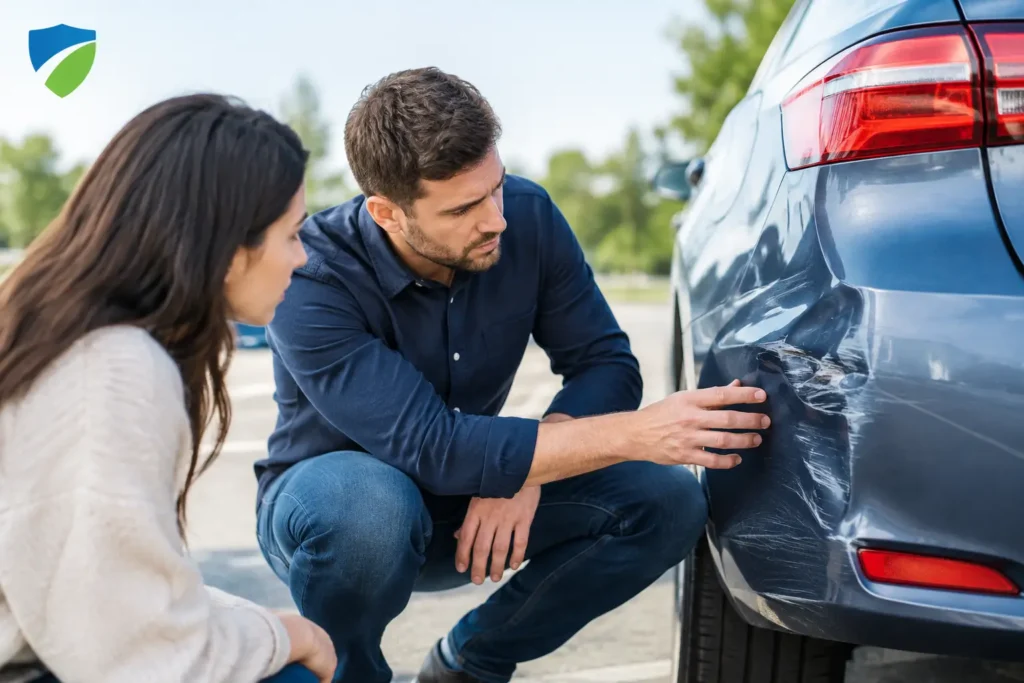
If the damage occurred in a collision with another vehicle, exchange the appropriate information and document the scene. Take clear photos from several angles before moving the vehicle when possible. Include close-ups of the bumper, wider shots showing the full vehicle, the license plate, nearby debris, and any damage to the other vehicle or object involved. Photos taken in good light can make the estimate and insurance process easier later.
Also pay attention to warning lights and changes in how the vehicle feels. A new parking sensor alert, backup camera issue, unusual vibration, rubbing sound, or trouble opening the trunk or liftgate may point to damage beyond the visible bumper cover. These details are useful to share during an inspection.
If there is a fluid leak, damaged wiring, a broken headlight or taillight, or a part close to the tire, arrange for the vehicle to be inspected before regular driving. A bumper is often the first visible point of impact, but it is not always the only part affected.
How to Handle Bumper Damage: Look Beyond the Surface
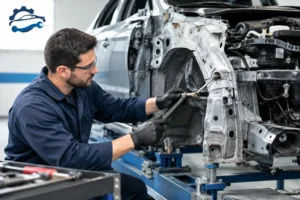
Modern bumpers are designed as systems, not just painted exterior panels. The visible plastic cover may sit over energy-absorbing material, a reinforcement bar, brackets, sensors, wiring, and other components. Depending on the vehicle, front bumper damage may also involve grille shutters, radar equipment, air guides, fog lights, or cooling components. Rear damage can affect parking sensors, blind-spot systems, exhaust clearance, trunk operation, and camera wiring.
That does not mean every dent requires extensive work. A shallow scuff or small paint transfer may only need refinishing or localized repair. A cracked cover, split mounting tab, or deep gouge may require a different approach. The point is to avoid judging the repair solely by what is visible from a few feet away.
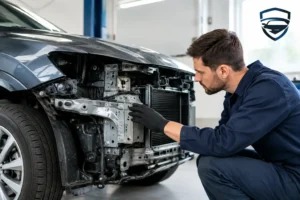
A repair professional can remove or inspect the bumper as needed, check the attachment points and underlying structure, and identify whether electronic features need attention. This is especially valuable after a hit that seemed minor but triggered a dashboard message or left a gap between the bumper and body panel.
Cosmetic Damage Can Still Get Worse
Scratches and paint chips may seem like a simple appearance issue, particularly on a plastic bumper cover. However, exposed paint edges can collect dirt and moisture, and a crack can spread with temperature changes, vibration, or a second minor impact. A bumper that is partially detached can also worsen quickly from wind and normal road movement.
Addressing cosmetic damage promptly helps preserve a clean appearance and prevents a small issue from becoming a larger repair. It can also help maintain the vehicle’s value, which matters when you plan to trade it in or sell it.
Sensors and Cameras Need Special Attention
Many newer vehicles rely on equipment mounted in or behind the bumper. Parking sensors, cameras, radar units, and related wiring may need inspection after an impact. A sensor can appear undamaged yet be misaligned, loose, or affected by a cracked mounting point.
Avoid covering sensor areas with tape, stickers, or a quick touch-up that changes their function. After proper repair or replacement, some vehicles may require calibration according to manufacturer procedures. This step is not an extra cosmetic detail. It helps confirm that driver-assistance features are operating as intended.
Decide Whether to File an Insurance Claim
The decision to use insurance depends on the damage, your deductible, your coverage, and the circumstances of the incident. Start by getting a clear estimate and understanding the full scope of repair. What looks like a small bumper repair can change if an inspection finds hidden damage, while a visible scrape may be manageable without a larger repair process.
If another driver caused the damage, retain the photos, contact information, incident details, and claim number if one has been opened. If you are using your own coverage, contact your insurer to ask about the claim process and documentation they need. Keep copies of all photos, estimate information, and communications for your records.
You have the right to choose the repair facility that works on your vehicle. A qualified local collision repair shop can help explain the estimate, communicate repair findings, and assist with the insurance claim process. Coverage decisions remain with the insurer, but having accurate documentation and a thorough inspection gives everyone a clearer picture of the work involved.
Avoid Temporary Fixes That Create Bigger Problems
It is understandable to want the bumper to look better or stay in place right away. Still, a quick repair can create complications if it hides damage or makes a later repair more difficult. Tape may be useful only as a short-term measure to secure a loose piece until the vehicle can be inspected, provided it does not cover lights, sensors, or the license plate.
Be cautious with do-it-yourself dent pulling, heat methods, filler, or touch-up paint when the damage is more than a light surface mark. Plastic bumper covers can stretch, crack, or distort, and paint colors often require careful blending to match surrounding panels. Improper repairs can leave uneven surfaces, peeling paint, visible color variation, or damaged sensor locations.
A professional repair may involve refinishing the existing cover, plastic repair, replacement of damaged components, paint matching, and reassembly checks. The correct option depends on the bumper material, the extent of damage, the vehicle’s features, and the condition of the parts underneath.
What to Expect During a Professional Inspection
A useful bumper inspection should be straightforward. The technician will review visible damage, panel gaps, mounting points, lights, and nearby body panels. If the impact was more significant, the inspection may include checking components behind the cover, looking for structural concerns, and reviewing electronic features.
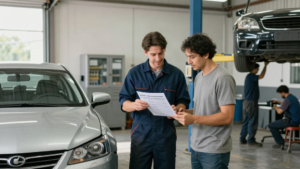
Ask questions about what is damaged, why a repair or replacement is recommended, and whether additional issues could become visible after disassembly. Honest communication matters because collision repairs can involve damage that was not apparent at the first glance. A reputable shop should explain the findings clearly rather than leave you guessing about the work being performed.
For drivers in Antioch, Waukegan, and surrounding Lake County communities, Carbon Collision Repair provides free estimates and can help make the repair and insurance process easier to understand. The goal is not simply to make a bumper look better. It is to restore the vehicle carefully, with attention to the components and finish that support dependable everyday driving.
Protect Your Vehicle Until Repairs Begin
Once you have arranged an inspection or repair, keep an eye on the damaged area. Remove loose debris from the bumper only if it can be done safely, and avoid pressure washers or automatic car washes if the cover is cracked or loose. Washing can force water behind damaged panels or pull at weakened attachment points.
If the bumper has sharp edges, is hanging down, affects a light, or interferes with a tire, do not continue driving it as normal. The safest choice may be to have it transported or inspected promptly. Even when the vehicle remains drivable, avoid treating a damaged bumper as a problem that will simply stay the same.
A bumper repair is often one of the first decisions after an accident, but it does not have to become another source of stress. Take photos, note any changes in vehicle operation, get a professional assessment, and choose a repair plan based on the actual damage rather than the first visible scratch.