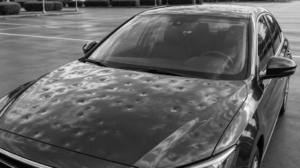
A pebble kicked up on the highway can leave a windshield chip no bigger than a pencil tip. By the next cold morning, that same chip may become a crack that reaches across the glass. This automotive glass damage guide helps drivers understand what they are seeing, what should be addressed quickly, and when a professional inspection is the sensible next step.
Auto glass does more than block wind and weather. Your windshield supports the vehicle’s roof structure, provides a clear view of the road, and works with safety systems that may use cameras or sensors near the glass. A calm, timely repair decision can often prevent a small issue from turning into a larger and more involved repair.
What Counts as Automotive Glass Damage?
Automotive glass damage includes more than a broken windshield. Door windows, quarter glass, rear glass, side mirrors, and sunroof glass can all be damaged in an accident, by road debris, from severe weather, or through normal wear around seals and hardware. The right solution depends on the location of the damage, the type of glass, and whether the vehicle has technology mounted near it.
Windshield damage commonly appears as a chip, bullseye, star break, combination break, or crack. A chip is a small impact point where a piece of glass has been displaced. A bullseye is generally round, while a star break has short lines extending from the impact point. Cracks can begin at a chip or edge and grow over time.
Laminated windshield glass is made of two layers of glass with a plastic layer between them. That construction is why a damaged windshield may stay intact after impact. Side and rear windows are often tempered glass, designed to break into many small pieces when damaged. In most cases, shattered tempered glass needs replacement rather than repair.
Why Small Chips Should Not Be Ignored
A small chip may seem like a cosmetic issue, especially if it is outside your direct line of sight. But glass is under constant stress from vehicle movement, road vibration, temperature changes, and pressure from heating and defrosting systems. Any existing weakness can spread under those forces.
Northeastern Illinois and southeastern Wisconsin drivers see sharp temperature swings, winter road conditions, and busy highways where loose gravel is common. Running a defroster against a cold, chipped windshield or parking a hot vehicle in freezing weather can create enough stress for a crack to grow. There is no reliable way to predict exactly when that will happen.
Prompt attention also helps keep dirt and moisture out of a chip. Clean, recent damage is often easier to evaluate for repair than damage that has been exposed to road grime, rain, car washes, and repeated temperature changes. Covering a fresh chip temporarily with clear tape can help keep contaminants out until it can be inspected. Avoid pressing the tape into the damaged area or using household glue, nail polish, or a DIY filler that may complicate a professional repair.
Repair or Replacement? What Determines the Answer
The choice between repair and replacement is not based on size alone. A qualified technician looks at several details before recommending the appropriate work. In some situations, a small chip can be repaired effectively. In others, replacement is the more responsible option.
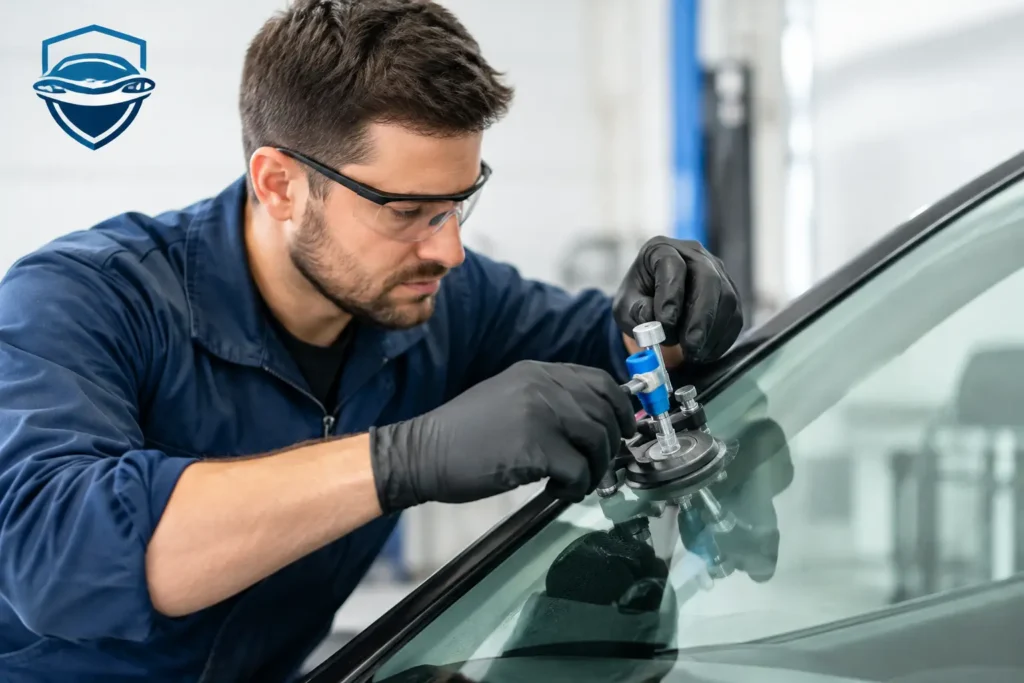
Repair may be possible when the damage is small, limited to the outer layer of a laminated windshield, and positioned away from the driver’s primary viewing area. The break must also be free of conditions that compromise the repair, such as extensive contamination, moisture intrusion, or radiating cracks that have spread too far.
Replacement is more likely when a crack reaches the edge of the windshield, damage is directly in the driver’s critical viewing area, or the inner layer of glass is affected. Multiple impact points, a deep break, or damage near advanced driver-assistance system components may also change the recommendation. A windshield with cameras or sensors may require calibration after replacement so those systems can be checked and set up according to vehicle requirements.
The goal is not simply to make the damage less visible. It is to restore the glass appropriately for the vehicle and its safety-related components. An honest inspection should explain what can reasonably be repaired, what requires replacement, and why.
Signs You Should Schedule an Inspection Soon
Some glass damage deserves prompt professional attention, even if the vehicle remains drivable. Watch for these conditions:
- A chip has developed legs or lines that continue outward from the impact point.
- A crack is growing toward the edge of the windshield or across your field of vision.
- A side or rear window has shattered, loosened, or no longer seals against weather.
- You notice water inside the vehicle, wind noise around the glass, or loose trim after an impact or collision.
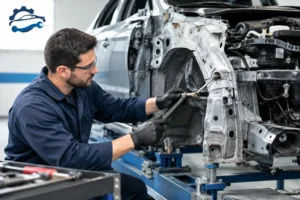
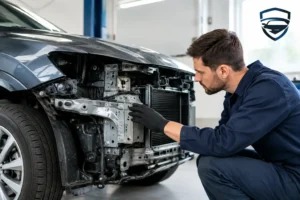
Windshields can also be affected by a collision without obvious cracking. A hard impact may damage the glass, molding, mounting area, or surrounding body structure. This is one reason comprehensive collision repair involves more than checking the most visible dent or scratch.
The Automotive Glass Damage Guide for Modern Vehicles
Modern vehicles make auto glass repair more technical than it used to be. A camera mounted behind the windshield may support features such as lane departure warnings, automatic emergency braking, or adaptive cruise functions. Depending on the vehicle, rain sensors, heads-up display components, antennas, and heating elements may also be part of the glass assembly.
When windshield replacement is needed, correct installation materials and procedures matter. So does identifying any related damage to trim, seals, mounting surfaces, and vehicle structure. If the vehicle requires calibration or verification of camera-based systems after replacement, that step should be addressed as part of the repair plan.
This does not mean every windshield chip creates a complicated repair. It means the vehicle should be evaluated as a complete system rather than treated as a simple piece of glass. The make, model, damage location, and installed technology all affect the work involved.
What to Do Right After Glass Is Damaged
Start by considering visibility and the condition of the glass. If the damage blocks your view, the windshield is heavily cracked, or a window has shattered, avoid driving until the vehicle can be assessed. Loose glass and limited visibility create practical hazards that should not be brushed aside.
For a small windshield chip, avoid sudden temperature changes if possible. Do not blast the defroster directly onto very cold damaged glass, and do not pour hot water on it. Keep the damaged area dry and clean, then arrange an inspection without waiting for the crack to spread.
After a collision, take photos of visible damage for your records and notify your insurance company if you plan to make a claim. Coverage, deductibles, and claim requirements vary by policy, so it is helpful to understand your specific situation. A repair shop can assist with the claim process and communicate clearly about the repair needs, but insurance decisions remain with the insurer and policy terms.
Why Glass Work Belongs in a Complete Repair Plan
Glass damage is sometimes handled separately from body damage, but accidents do not always create separate problems. A damaged windshield can accompany roof, pillar, door, frame, or suspension-related issues. A rear window problem may involve trunk alignment, damaged trim, or water intrusion. Looking at the full picture helps avoid repairing one visible issue while missing another that affects fit, function, or finish.
For drivers dealing with collision-related damage, Carbon Collision Repair takes a thorough, practical approach to assessing the vehicle. Clear communication matters: you should understand the observed damage, the recommended repair path, and how the work relates to the vehicle’s overall condition. That is especially valuable when glass damage appears minor but is connected to a broader impact.
Protecting Your Glass After Repair or Replacement
Once the repair is complete, follow any care instructions provided for the specific work performed. If adhesive-cured glass has been replaced, the vehicle may need a designated period before certain activities, such as washing or slamming doors. The technician can explain any temporary precautions based on the materials and installation process used.
For day-to-day care, replace worn wiper blades before they scratch the windshield, keep washer fluid filled with a season-appropriate product, and remove ice with a proper scraper rather than striking the glass. Leave safe following distance behind trucks and construction vehicles when possible. These steps cannot eliminate road debris, but they can reduce unnecessary wear.
A clear windshield is easy to take for granted until a chip interrupts your view or a crack starts moving across the glass. If you notice damage, acting early gives you more options and helps you make a repair decision with confidence.