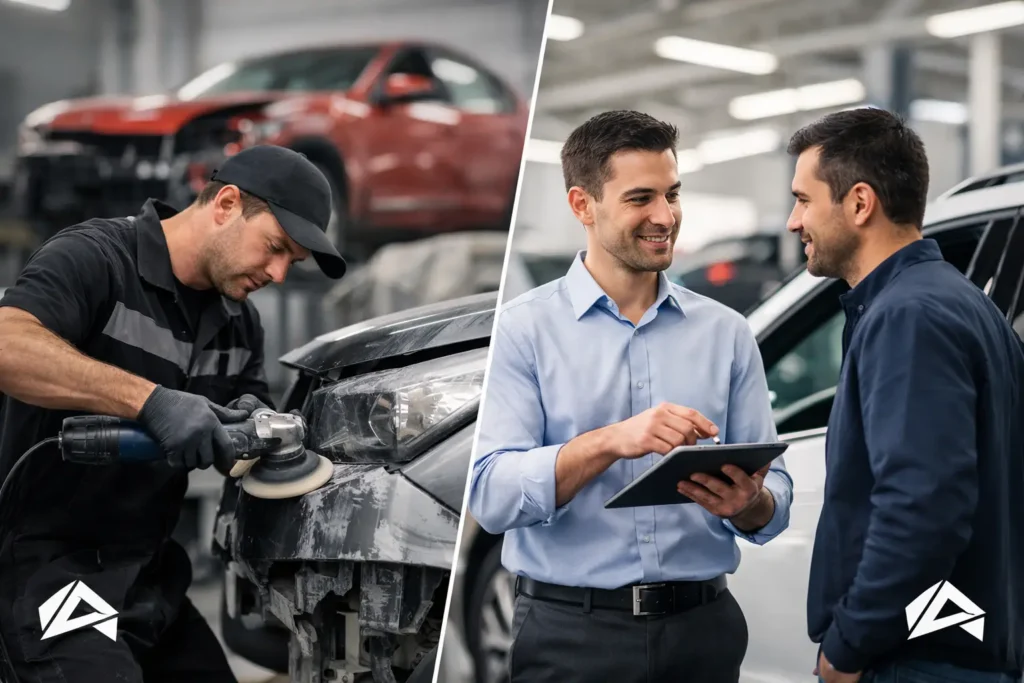
A damaged bumper, a broken headlight, or a vehicle that no longer drives quite right can leave you with an immediate question: collision repair vs dealership service, which is the better choice? The answer depends on the damage, your vehicle, and the kind of repair experience you need. A dealership may be a sensible option in certain situations, while a dedicated collision shop is often built specifically for the structural, cosmetic, and paint work that follows an accident.
The most useful choice is not always the closest building or the name on the sign. It is the facility that can clearly explain the repair plan, inspect the full extent of damage, communicate with your insurer when needed, and stand behind the workmanship involved.
Collision Repair vs Dealership: The Core Difference
A dealership is primarily focused on selling, maintaining, and repairing the brand of vehicles it represents. Its service department commonly handles routine maintenance, manufacturer-recommended service, diagnostic work, recalls, and mechanical repairs. Some dealerships have their own body shop, while others direct collision-damaged vehicles to an affiliated or outside repair facility.
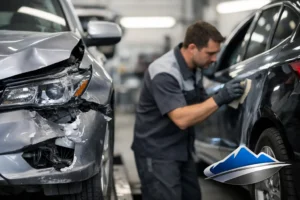
A collision repair shop is centered on restoring vehicles after impacts and other body damage. That can include dent and scratch repair, replacement and repair of damaged panels, frame and structural work, paint refinishing, glass repair, and related mechanical repairs. The work often begins with a detailed damage assessment because visible damage may be only part of the story.
Neither option is automatically right for every repair. If your car needs warranty-related mechanical diagnosis or a recall service, the dealership may be the appropriate place to start. If the vehicle has accident damage, damaged paint, misaligned body panels, or possible structural concerns, a collision-focused shop can be better positioned to manage the complete repair process.
When a Dealership May Make Sense
Dealership service departments can be a practical choice when the issue is closely tied to a manufacturer-specific concern. For example, a warning light, software issue, warranty question, or recall may require dealership involvement. They also have direct familiarity with the makes they sell and service every day.
For newer vehicles, some owners simply feel more comfortable beginning with the dealer they purchased from. That is understandable, especially when an accident occurs soon after buying a vehicle. A dealership can help identify whether a concern involves factory coverage, normal maintenance, or accident-related damage.
Still, it helps to ask a clear question before scheduling: will the dealership perform the body repair on-site, or will the vehicle be sent elsewhere? If the repair will be handled by another facility, ask who will be doing the work, how communication will be managed, and who will be your point of contact. Knowing that early can prevent confusion later.
Why a Dedicated Collision Shop Is Often a Strong Fit
Collision work is rarely limited to replacing one visibly damaged part. A low-speed impact can affect bumper components, brackets, lights, panel alignment, paint finish, wheel alignment, or mechanical parts behind the damaged area. A more serious accident may involve structural inspection and repair.
Dedicated collision shops organize their process around this type of work. Their technicians evaluate exterior damage alongside the underlying components that may have been affected. They also manage the detailed steps needed to restore color consistency, body-panel fit, and the vehicle’s overall appearance.
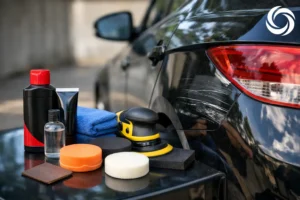
This repair focus matters because bodywork and refinishing require a different workflow from routine vehicle service. Preparing a panel, addressing corrosion concerns, blending paint where appropriate, and reassembling damaged sections carefully all influence the finished result. For classic cars and custom vehicles, the value of careful craftsmanship and communication becomes even more apparent.
A locally owned collision shop can also provide a more direct repair experience. Rather than working through multiple departments, customers may have a clearer line of communication with the team inspecting and repairing the vehicle. That personal accountability can make a difficult situation feel more manageable.
Compare the Actual Repair Plan, Not Just the Name
Before choosing between a collision shop and a dealership, ask each facility how it plans to handle your specific repair. A useful estimate should be based on an inspection, not a guess from a photo or a brief description. It should explain the known damage and acknowledge that additional damage can sometimes be found once affected areas are disassembled.
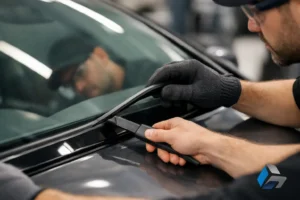
Ask whether the shop will handle paint, structural work, glass concerns, and necessary mechanical repairs in-house or coordinate those items with another provider. There is nothing inherently wrong with a repair process involving specialists, but you deserve to understand who is responsible for each stage and how the work will be communicated.
It is also reasonable to ask about parts. Depending on the vehicle, the repair plan, insurer requirements, and parts availability, a shop may discuss original equipment, aftermarket, recycled, or reconditioned options. The right choice is not identical for every vehicle. A clear conversation helps you understand what is proposed and why.
Insurance Claims Should Not Control the Entire Decision
After an accident, many drivers feel pressured to choose a repair location quickly because they are trying to get transportation back to normal. Insurance information, estimates, adjuster conversations, and paperwork can add to that stress.
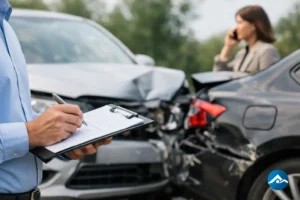
A reputable collision shop can help explain the repair estimate and assist with the claim process. That support may include communicating repair information to the insurer and helping you understand what documents or approvals are still needed. Your insurance company determines coverage based on your policy and claim details, so no shop should promise a particular outcome.
The important point is to choose a repair facility that treats communication as part of the service. You should know what damage has been identified, what work is being recommended, and what happens if additional repair needs are found. Straight answers are especially valuable when the process changes after the initial inspection.
Look Beyond the Initial Estimate
An estimate is important, but it is not the only measure of a quality repair. The lowest-looking number may not tell you how thoroughly the vehicle will be inspected, how paintwork will be prepared, or whether all accident-related issues have been considered.
Instead, pay attention to how the shop approaches your questions. Are they willing to walk around the vehicle with you? Do they explain the difference between cosmetic damage and potential hidden damage? Do they give you a realistic view of the process without making promises before the vehicle has been fully assessed?
Good communication does not mean every answer is available on day one. Parts availability, insurer review, and concealed damage can affect the repair path. It does mean you should receive honest updates and understandable explanations as the work moves forward.
The Best Choice Depends on Your Vehicle and Priorities
For a routine manufacturer service issue, a dealership may be the most direct option. For collision damage, a specialist with experience in body repair, structural concerns, paintwork, and insurance coordination may offer the more complete path.
Your vehicle’s age, condition, damage severity, and your own priorities all matter. A commuter vehicle may need efficient, dependable restoration after a parking lot impact. A family SUV may need a careful inspection after a more significant collision. A classic vehicle may require added attention to preserve its character, finish, and fit.
For drivers in Antioch, Waukegan, and nearby communities, Carbon Collision Repair approaches each vehicle with that same practical mindset: inspect carefully, explain the work clearly, and treat the repair as if the vehicle were our own. A free estimate is a good place to start when you need clear information before deciding where your vehicle belongs.