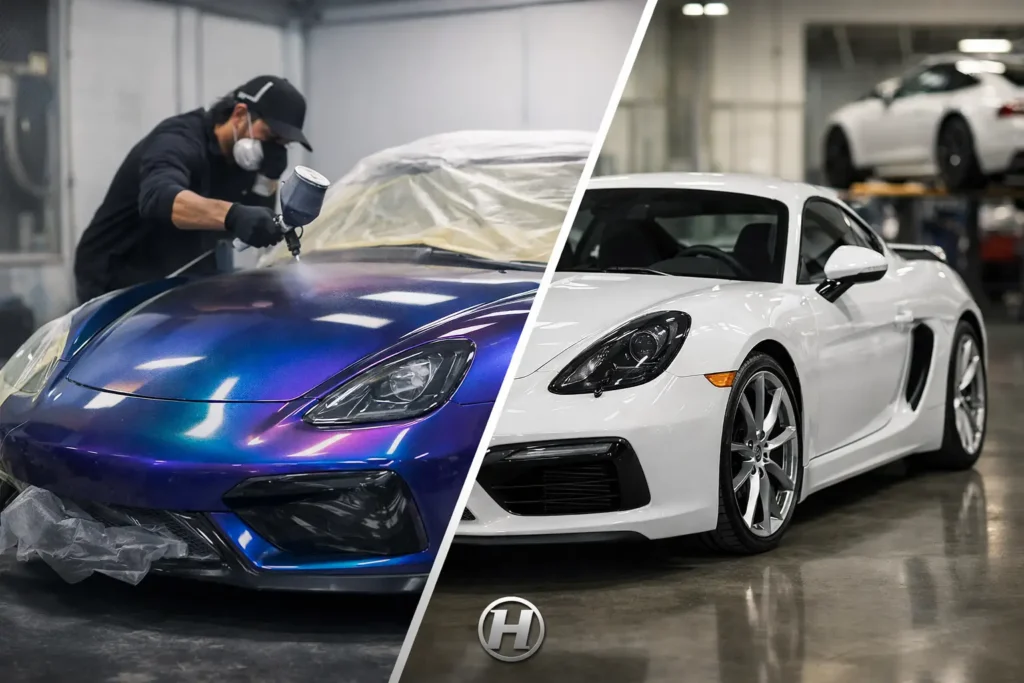
A new paint job can make a vehicle feel completely different, whether you are repairing a damaged fender or giving a classic car a new identity. But custom paint vs factory paint is not simply a choice between standard and flashy. The right decision depends on why the vehicle needs paint, how you use it, what you want it to look like years from now, and how closely you want to preserve its original character.
For many drivers, factory-style refinishing is the practical answer after an accident. For collectors and enthusiasts, custom work can be the detail that turns a well-kept vehicle into something personal. Both can be high-quality options when the preparation, materials, color matching, and application are handled with care.
What Factory Paint Means After a Repair
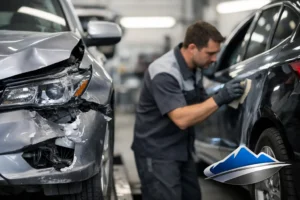
Factory paint is the finish applied when a vehicle is built. It is produced in a controlled manufacturing environment, often with processes and baking equipment that a repair facility cannot duplicate exactly. That does not mean a repaired panel cannot look excellent. It means professional collision refinishing uses a different process designed to restore the vehicle’s appearance as closely as possible.
When people request factory paint after collision damage, they usually mean they want the original color, finish, and overall appearance matched. A technician starts with the vehicle’s paint code, then accounts for real-world changes in the existing finish. Sun exposure, weather, age, previous repairs, and regular washing can all affect how a color looks from one panel to the next.
A quality repair may involve color tinting and spray-out testing rather than relying on a paint code alone. In some cases, adjacent panels are blended so the repaired area transitions naturally into the surrounding paint. This is especially common with metallic, pearl, tri-coat, and lighter colors, where even a small variation can be noticeable in direct sunlight.
Factory-style refinishing is often the preferred route for daily drivers, leased vehicles, late-model cars, and owners who want to maintain an original appearance. It supports a clean, consistent look without changing the vehicle’s design.
Custom Paint vs Factory Paint: The Key Differences
The biggest difference is intent. Factory-style paint aims to restore what was there. Custom paint is created to change, enhance, or personalize the vehicle beyond its original finish.
Custom work can be subtle. A classic car owner may choose a deeper version of the original color, a different gloss level, or a hand-applied stripe that respects the vehicle’s period-correct style. It can also be dramatic, with custom colors, layered pearls, graphics, candy finishes, accent panels, or a complete color change.
That freedom is appealing, but it comes with more decisions. A custom finish must be planned around the vehicle’s body condition, intended use, future maintenance, and the owner’s expectations. A show vehicle, weekend cruiser, work truck, and family SUV all call for different priorities.
Color match and visual consistency
With factory-style refinishing, the goal is consistency with the panels already on the vehicle. The work is focused on proper repair and an undetectable or low-visibility transition between old and new finishes.
With custom paint, consistency still matters, but the target is different. The shop and owner first need to agree on the intended color and effect. Pearls, metallic flakes, layered colors, and specialty finishes can look different depending on lighting and viewing angle. A sample panel can help establish expectations before a complete repaint begins.
Repair scope and preparation
Paint only looks as good as the surface beneath it. Whether the finish is factory-style or fully custom, dents, corrosion, old failing paint, scratches, and body filler issues should be addressed before the final coating is applied.
Custom paintwork often requires additional preparation because every panel has to support a unified appearance. If the vehicle is being changed from one color to another, preparation may extend to jambs, under-hood areas, trunk openings, and other visible sections. The final scope depends on how complete the color transformation needs to be.
For collision repairs, the scope is usually more targeted. Damaged panels are repaired or replaced, prepared correctly, primed as needed, refinished, and blended when necessary to produce a cohesive result.
Cost and insurance considerations
Custom work generally requires more labor, more materials, and more planning than a standard factory-color repair. Specialty paint products and multi-stage applications can also add time to the process. An in-person inspection is the best way to understand the condition of the vehicle and the work needed before receiving an estimate.
If the vehicle is being repaired through an insurance claim, the estimate generally focuses on returning it to its pre-accident condition. Choosing a custom color, specialty finish, or broader repaint may create costs beyond the covered collision repair. Carbon Collision Repair can help explain the repair estimate and separate the restoration work from any elective custom upgrades, so there are fewer surprises.
Resale value and originality
Original color and factory appearance can matter to some buyers, especially for certain classics, collector vehicles, and newer vehicles with strong resale demand. A correct factory-style finish may help preserve the vehicle’s original presentation.
Custom paint can also add appeal, but it is more personal. A carefully executed custom finish may attract the right buyer, while a very specific color or graphic treatment may narrow the audience. If resale is an important priority, consider whether the custom choice reflects a broad taste or a look you simply want for yourself. There is nothing wrong with either goal, as long as the decision is intentional.
When Factory-Style Paint Is Usually the Better Choice
Factory-style paint is a strong fit when the vehicle has accident damage and you want it to look like itself again. It is also a practical choice when preserving the original color, maintaining a uniform appearance, or preparing a vehicle for lease return or resale.
For everyday drivers, this approach keeps the repair focused on restoring appearance and protecting the repaired area. A professional refinishing process includes careful surface preparation, color matching, appropriate basecoat application, and clearcoat protection. The outcome should look right in normal conditions, not just under shop lights.
It is worth remembering that the rest of the vehicle may have years of wear and exposure. A skilled painter matches the real vehicle in front of them, not just the color formula printed on a label.
When Custom Paint Is Worth Considering
Custom paint makes the most sense when the vehicle is a long-term project, a classic restoration, or a car you want to make distinctly yours. It can be a good choice when a vehicle already needs extensive bodywork or a full respray, since the preparation stage is already a major part of the project.
A custom finish can also bring an older vehicle back to life without losing its character. The best projects balance personal taste with the vehicle’s shape, era, and purpose. A thoughtful color choice and quality body preparation often make a stronger impression than the most complicated paint effect.
Before committing to a full custom repaint, talk through how the vehicle will be stored, driven, cleaned, and repaired in the future. Specialty colors can require additional care when matching a damaged panel later. Keeping records of paint formulas, samples, and finish details can make future touch-ups or repairs easier to plan.
Finish Quality Comes Down to the Process
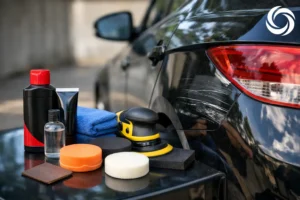
No paint choice can overcome poor preparation. Adhesion, durability, gloss, and visual consistency depend on the work performed before the color is sprayed. Proper cleaning, sanding, masking, corrosion treatment, priming, and curing all affect the final result.
Clear communication matters just as much. Before work begins, you should understand which panels are being refinished, whether blending is recommended, how close the repair is expected to match, and whether the work is intended as a repair, a partial respray, or a complete custom transformation.
For drivers in Antioch, Waukegan, and surrounding communities, a conversation with an experienced auto body professional can clarify the right path quickly. Bring your priorities to the estimate: restoring the original appearance, protecting the vehicle’s value, correcting old cosmetic issues, or building a finish that feels entirely your own.
The best paint decision is the one that fits the vehicle and the way you plan to enjoy it. Start with an honest inspection, choose the level of restoration or customization that makes sense, and give the preparation process the attention it deserves.