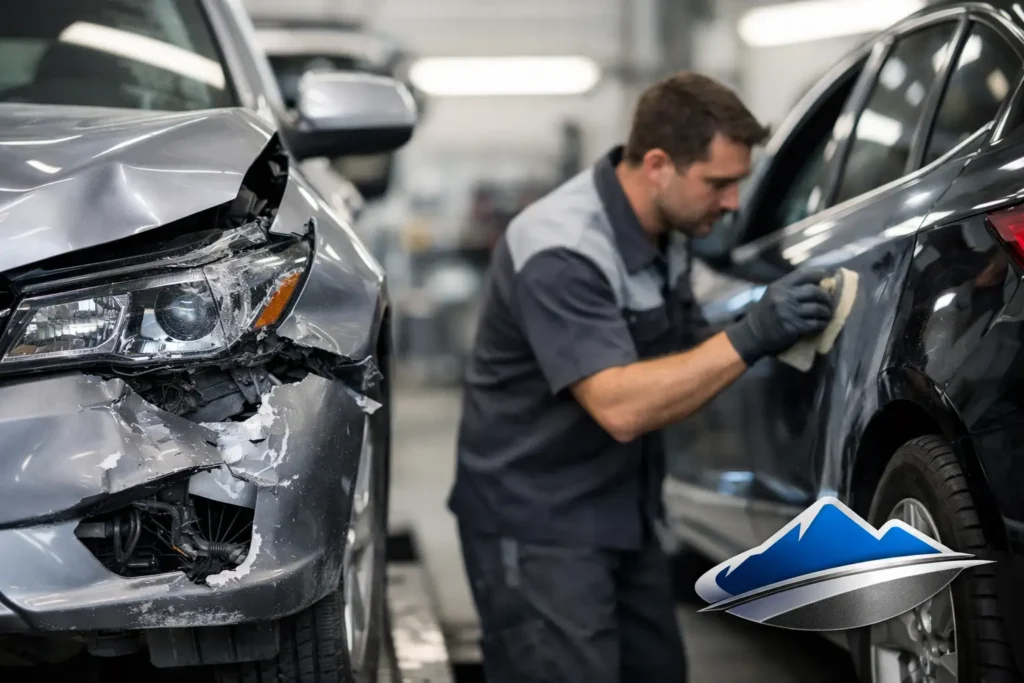
A collision can turn an ordinary drive home into a long list of questions. Is the vehicle safe to drive? Does the damage go beyond what is visible? What does insurance need? Choosing Lake County collision repair is not just about making dents disappear. It is about restoring the parts, alignment, finish, and day-to-day confidence that were affected by the accident.
For drivers in Antioch, Waukegan, and surrounding communities, the right repair shop should make the process clearer from the first estimate through final pickup. Quality work starts with a careful inspection, continues with honest communication, and does not treat paint, structural repairs, and mechanical concerns as separate issues when they may all be connected.
What Collision Damage Can Hide
A scraped bumper or dented door may look like a straightforward cosmetic repair. Sometimes it is. But modern vehicles have bumper reinforcements, mounting points, sensors, wiring, brackets, and panels that can be damaged beneath the surface. Even a low-speed impact can affect fitment or reveal a problem only after the vehicle is inspected closely.
More significant impacts can involve the frame or unibody structure, suspension components, wheel alignment, cooling components, glass, or mechanical systems. A vehicle may still start and move, but that does not mean every damaged area is visible or ready for normal use. A professional assessment helps identify what needs attention before repairs begin.
This is why a thorough estimate matters. It should reflect the damage that can be identified at the time of inspection, while leaving room for additional findings if hidden damage becomes visible during disassembly. That is not a sign that a shop is being unclear. It is often the realistic nature of collision repair, especially when panels and parts overlap.
What Quality Lake County Collision Repair Involves
A proper repair plan is based on the vehicle’s condition, not a one-size-fits-all checklist. The work may range from paintless-style dent correction and scratch repair to replacement panels, structural measurement, frame-related repairs, glass service, and mechanical repair. The goal is to address the actual damage and restore the vehicle’s appearance and function with care.
Structural Repairs Need Precision
When a collision affects the frame or unibody, precision is especially important. These components provide the foundation for how body panels, suspension parts, doors, hood, and other systems align. Repairing structural damage is not simply about pulling metal back into place. It requires measuring, assessing, and correcting the affected areas according to the vehicle’s needs.
Drivers should also understand that structural work can influence other repair decisions. A door that does not close properly, uneven panel gaps, steering concerns, or a wheel that appears out of position may all point to damage that deserves a closer look. Addressing the cause is more dependable than masking the symptom.
Paintwork Is More Than Matching a Color Code
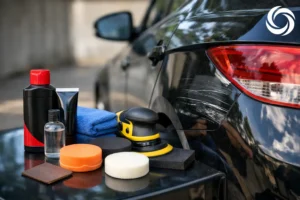
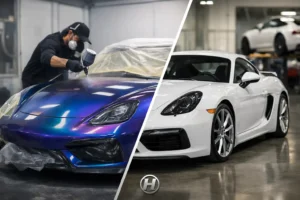
Automotive paint repair involves preparation, surface correction, color matching, application, and finishing. The paint code is a starting point, but factors such as vehicle age, sun exposure, metallic flakes, pearl finishes, and the condition of adjacent panels can affect the final appearance.
A quality paint repair also depends on what happens before color is sprayed. The surface needs to be properly repaired and prepared so the finished area looks consistent and holds up over time. For larger repairs or complete resprays, planning the work carefully helps create a more uniform result across the vehicle.
Mechanical and Glass Concerns Should Not Be Overlooked
After an accident, a driver may notice a new vibration, warning light, steering pull, fluid leak, or unusual noise. These concerns should be shared with the repair shop, even if they seem unrelated to body damage. A collision can affect components beyond the exterior panels.
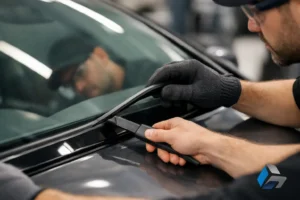
The same goes for cracked glass, damaged mirrors, and compromised window operation. Visibility and proper operation matter on every trip. Bringing up these issues early helps the shop build a more complete repair plan and communicate clearly about what the vehicle needs.
How the Insurance Repair Process Usually Works
Insurance claims can feel complicated when you are already managing transportation, work, and family obligations. The process varies by policy and claim, but documentation and communication make a real difference. Take photos of the damage when it is safe to do so, keep claim information available, and bring any insurer estimate or related paperwork to the shop.
An initial insurance estimate may not include every repair needed. Once a vehicle is disassembled and hidden damage is identified, the repair facility may need to document those findings and communicate with the insurer about additional work. This helps ensure the repair plan reflects the condition uncovered during the process.
A local collision shop can assist with the practical side of a claim by reviewing damage, preparing an estimate, documenting repair needs, and communicating repair information. Coverage decisions remain with the insurer and depend on the policy and claim details, but clear repair documentation can reduce confusion along the way.
If you have a deductible, ask about it during the estimate conversation. A straightforward explanation of the estimate, the expected repair steps, and any insurance-related updates can make the experience less stressful.
Questions Worth Asking Before You Authorize Repairs
You do not need to be an auto body expert to make an informed choice. Ask how the shop will inspect the damage, whether it handles both cosmetic and structural concerns, and how it communicates if additional damage is found. It is also reasonable to ask how paint matching, replacement parts, and mechanical issues will be handled when they apply to your vehicle.
Pay attention to how the answers are given. A dependable shop should not rush past your questions or make broad promises without seeing the vehicle. It should explain the work in plain language and be honest about what can be known before disassembly versus what may require further inspection.
For a classic car, collector vehicle, or custom project, the conversation should go even deeper. Preserving character, protecting original details, selecting the right finish, and setting expectations around restoration work all deserve careful planning. These vehicles often require a different level of discussion than a late-model daily driver.
When to Seek an Estimate
It is wise to arrange an estimate soon after an accident, even if the damage appears minor. Early inspection can identify loose panels, broken lights, sharp edges, glass damage, or drivability concerns before they become a larger inconvenience. If the vehicle has a warning light, steering issue, fluid leak, rubbing tire, or damage affecting visibility, do not assume it can wait.
For cosmetic damage that did not come from a collision, an estimate is still useful. Door dings, scratches, faded paint, cracked bumpers, and minor rust concerns can often be assessed before they spread or affect the vehicle’s appearance further. The best repair approach depends on the location, depth, material, and condition of the damaged area.
Carbon Collision Repair serves Lake County drivers with free estimates, insurance claim assistance, and a full range of auto body, paint, glass, structural, and mechanical repair services. As a locally owned shop, the focus is personal attention, clear updates, and workmanship that treats each vehicle with respect.
After an accident, you do not need every answer before you call a repair shop. Bring the vehicle in for a careful estimate, share what happened and what you have noticed, and give the repair process the attention it deserves. A clear plan and skilled hands can help turn a stressful disruption into the next reliable trip down the road.