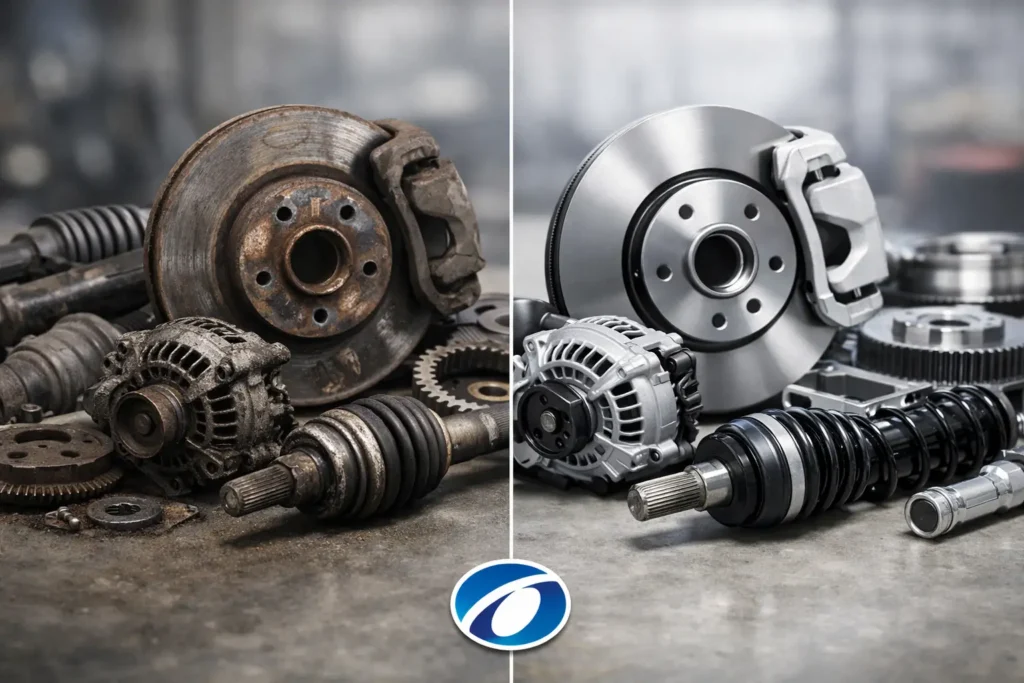
A damaged bumper, door, headlight, or mirror can lead to a question that sounds simple but deserves a careful answer: used parts vs new parts – which is right for your vehicle? The best choice depends on the part itself, the extent of the damage, your vehicle’s age and condition, and the repair plan approved for the job. A quality repair is not about choosing one option every time. It is about choosing a part that supports proper fit, function, appearance, and long-term reliability.
After an accident, it is understandable to focus on getting your vehicle back quickly and keeping costs manageable. The right repair shop will explain the options clearly, inspect the available parts, and help you understand why a particular choice makes sense for your vehicle.
What “Used” and “New” Parts Actually Mean
A used part, often called a recycled or salvage part, is typically an original equipment manufacturer part removed from another vehicle. For example, a used door shell may have come from the same make, model, and model-year range as yours. Because it was manufactured for that vehicle platform, it may provide an excellent starting point when it is in good condition.
A new part can mean an original manufacturer part or a new aftermarket replacement part. Original manufacturer parts are produced for the vehicle brand. Aftermarket parts are made by independent manufacturers and can vary in design, material, fit, and availability.
These categories are not interchangeable. A used original bumper cover and a new aftermarket bumper cover are different choices with different advantages. That is why the conversation should go beyond simply asking whether a part is used or new.
Used Parts vs New Parts: The Main Trade-Offs
Used parts can be a practical option when the component is cosmetic, readily available, and in verifiably good condition. A clean used door, trunk lid, tailgate, or exterior trim piece may reduce the amount of replacement material needed while retaining an original manufacturer fit. For older vehicles, used parts can also be easier to locate than certain new components that are no longer produced or have limited availability.
The condition of the part matters just as much as its source. A used panel should be inspected for hidden dents, corrosion, prior repairs, damaged mounting points, and flaws that could affect the finished result. Even a part that appears clean at first glance may require preparation, paintwork, or minor repair before it is ready to install.
New parts offer a fresh, unused component with no prior wear, repairs, or exposure to the elements. They may be the preferred option when a used part is unavailable, damaged, heavily corroded, or unlikely to meet the repair standard needed for the vehicle. New parts are also often the more appropriate choice for components where wear, hidden damage, or precise operation is a concern.
Still, new does not automatically mean identical. A new aftermarket part may require additional test-fitting or adjustment, and the material or panel contours can differ from an original manufacturer part. An experienced technician evaluates how the part fits with surrounding panels, lights, trim, seals, and mounting hardware before the vehicle moves toward paint and reassembly.
Safety and Structural Repairs Need Extra Care
The decision becomes more serious when a damaged area involves vehicle safety systems or structural components. Modern vehicles rely on carefully engineered crumple zones, reinforcement panels, brackets, sensors, cameras, radar units, and restraint-system components. These parts are not areas for casual substitutions.
Depending on the vehicle and the damage, a repair may call for a specific type of replacement part, new hardware, manufacturer-directed procedures, or calibration after reassembly. A bumper cover may look like a cosmetic piece, but the area behind it can house impact absorbers, brackets, parking sensors, radar equipment, and wiring. The correct repair plan must account for everything affected, not only what is visible on the outside.
Frame and structural repairs require the same disciplined approach. The goal is to restore the vehicle according to appropriate repair procedures, with measurements, alignment, and component condition considered throughout the process. If a used component does not meet the necessary standard, it should not be used simply because it is available.
Appearance Matters, Especially With Painted Panels
A replacement panel does not arrive looking exactly like the rest of your vehicle. Paint changes over time due to sunlight, weather, washing, and normal use. Even two vehicles with the same factory paint code can show slight differences years later.
That is why a quality auto body repair often includes careful color matching and refinishing. Whether a door or fender is used or new, the panel may need prep work, primer, paint, and blending into adjacent panels to create a consistent appearance. The condition of a used panel can affect how much preparation is needed before painting begins.
For classic cars and custom paint projects, the conversation is even more detailed. Original parts may preserve the character of the vehicle, while new replacement metal may be necessary when corrosion or prior damage has compromised the original piece. The right answer depends on the condition of the car, the restoration goals, and the level of finish the owner expects.
How Insurance Can Influence the Parts Decision
Insurance estimates may identify the type of parts included in a repair plan, such as recycled, aftermarket, or original manufacturer parts. Coverage, vehicle age, policy details, part availability, and repair requirements can all influence what is listed. An estimate is an important starting point, but it is not a substitute for a complete hands-on inspection.
Once repairs begin, additional damage may become visible behind a bumper, panel, or light assembly. A part initially considered suitable may also be unavailable or fail inspection when it arrives. In those situations, the repair plan may need to be updated.
Clear communication helps prevent surprises. At Carbon Collision Repair, the focus is on explaining the repair process, reviewing relevant part options, and helping customers work through claim-related questions without adding unnecessary stress. The goal is to keep you informed about decisions that affect your vehicle.
Questions Worth Asking Before Approving a Repair
You do not need to be an auto body expert to take an active role in the repair conversation. Ask whether the proposed part is used, new original manufacturer, or new aftermarket. Ask why that option is appropriate for the damaged area and whether it affects fit, appearance, or required calibration.
It is also reasonable to ask about the condition of any recycled part, whether paintwork or blending is expected, and what happens if hidden damage is found. For a vehicle with advanced driver-assistance features, ask whether sensors, cameras, or related systems will need inspection or calibration after repairs.
These questions are not about second-guessing the repair team. They help make sure the plan is clear before the work moves forward.
The Right Part Is the One That Supports a Proper Repair
There is no universal winner in the used parts vs new parts decision. A well-inspected used original part can be an excellent solution for the right repair. A new original manufacturer part may be the better fit for another vehicle. In other cases, a quality new aftermarket part may be appropriate when it meets the needs of the repair.
What should remain consistent is the care behind the decision. Your repair should account for the damage, the vehicle’s systems, part condition, proper fit, paint quality, and the work needed to return your vehicle to dependable condition. When you are facing a repair decision after an accident, a free estimate and a straightforward conversation can give you a clearer path forward.