
A damaged bumper can look straightforward until a repair estimate reveals paint blending, hidden damage checks, parts choices, and insurance paperwork. Asking the best collision repair questions before work begins helps you understand what your vehicle needs and what to expect from the shop handling it.
After an accident, most drivers are balancing transportation, claim details, and concern about the condition of their vehicle. The right questions do more than help compare estimates. They show whether a repair facility will communicate clearly, inspect thoroughly, and stand behind the work.
Best Collision Repair Questions Before You Authorize Work
1. What damage did you find beyond what I can see?
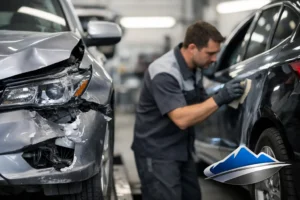
Visible dents, broken glass, and scraped paint are often only part of the picture. A collision can affect mounting points, sensors, suspension components, cooling systems, panels behind the bumper, or the vehicle’s structure.
Ask the shop to explain the initial findings in plain language and to describe what may require further inspection after disassembly. No responsible shop should guess at hidden damage before it can be accessed. What matters is that you understand the process for documenting additional repairs and communicating any changes.
2. Will you inspect the frame or structural areas if needed?
Not every collision involves structural damage, but it deserves attention when the impact suggests it may be present. Modern vehicles are designed with crumple zones and carefully engineered structural components. Even a collision that appears minor can sometimes affect alignment, panel fit, steering feel, or safety-related systems.
Ask how the shop determines whether structural measuring or frame-related repairs are needed. A clear answer should focus on inspection, proper equipment, and repair procedures appropriate for your vehicle, not on assumptions based only on exterior appearance.
3. What parts will you use, and what are my options?
Parts can come from several sources, including original equipment manufacturer parts, recycled original parts, and aftermarket parts. The right choice depends on the vehicle, the damaged component, availability, insurance terms, fit, and your preferences.
Ask which parts are included in the estimate and why they were selected. For a late-model vehicle with advanced driver assistance features, a particular part choice may affect sensor fitment or calibration needs. For an older vehicle, a quality recycled original part may be a practical option. The key is transparency before installation.
4. How will you match the paint color?
Paint repair is more involved than applying the color code listed on the vehicle. Sun exposure, age, previous repairs, and factory variation can all change how a finish looks. A skilled paint process considers the actual condition of your vehicle and may involve blending color into adjacent panels when appropriate.
Ask whether the repair plan includes color matching and blending. You can also ask how the shop will address paint texture, gloss, and finish quality. A good answer should make clear that the goal is a consistent appearance, while recognizing that each repair requires an individual assessment.
5. Will my vehicle need mechanical or safety-system checks?
Collision damage can affect more than body panels. Depending on the impact, your vehicle may need an alignment check, suspension inspection, mechanical repair, glass service, or diagnostic scanning. Vehicles equipped with cameras, radar, parking sensors, lane-assist features, or other advanced systems may also require calibration after certain repairs.
Ask whether those checks are included, recommended, or dependent on what is found during repair. This question is especially valuable if you notice warning lights, pulling, vibration, unusual noises, or changes in how the vehicle drives after the accident.
6. How do you handle insurance communication?
You have the right to choose the repair facility that works on your vehicle. Your insurer may provide claim information, request an estimate, or send an adjuster, while the repair shop can help supply repair documentation and communicate about needed supplements.
Ask what support the shop provides with the claim process and what information it needs from you. Carbon Collision Repair works with all insurance companies and helps customers understand the repair process, but insurance coverage decisions remain with the insurer. Clear communication between everyone involved can reduce avoidable delays and confusion.
7. What happens if additional damage is found after repairs begin?
This is one of the most useful questions to ask because hidden damage is common. Once damaged panels, bumpers, or interior trim are removed, the technician may find broken brackets, damaged absorbers, bent supports, or wiring concerns that were not visible during the first estimate.
Ask how the shop will document the findings, submit a supplement when insurance is involved, and keep you informed. You should not be left wondering why the repair plan changed. A professional process includes photos, repair documentation, and a straightforward explanation of what was discovered.
8. Who will be working on my vehicle?
You do not need a lengthy biography of every technician, but it is reasonable to ask how the shop manages quality and accountability. Collision repair can involve several specialized steps, from body repair and refinishing to mechanical work and final reassembly.
Ask who oversees the repair and how the shop checks its work before returning the vehicle. In a locally owned operation, personal oversight can make a real difference. The goal is not a quick answer at the counter. It is confidence that someone is responsible for the details from estimate through final inspection.
9. How will you keep me updated?
A repair timeline can shift because parts availability, supplemental damage, insurer review, or calibration scheduling may change the plan. That does not mean you should have to chase updates.
Ask when you can expect communication and how updates will be delivered. Some customers prefer a call, while others want text or email messages. Establishing that preference early helps the shop provide useful updates without overwhelming you with information that has not changed.
10. What is included in the estimate, and what could change?
An estimate should give you a clear starting point, but it is not always the final repair total before disassembly. Ask the shop to walk through labor, parts, materials, paint work, and any known diagnostic or mechanical needs.
The most important distinction is between work that has been confirmed and work that may depend on further inspection. Honest estimates do not hide that uncertainty. They explain it so you can make decisions with realistic expectations.
11. What warranty or workmanship support do you provide?
Ask the shop to explain its warranty in writing and clarify what it covers. Workmanship support may apply differently to body repairs, paint, replacement parts, or materials, so it is worth understanding the details before authorizing work.
A warranty is not simply a sales point. It reflects whether a shop is prepared to address a concern after pickup. Keep your repair paperwork, final invoice, and warranty information together for future reference.
12. What should I check when I pick up my vehicle?
Before leaving, take a few minutes to review the completed work with the shop. Look at the repaired area in good lighting, check panel gaps and paint appearance, and make sure the vehicle is clean and your personal items are accounted for. If glass, sensors, warning lights, or mechanical components were involved, ask whether there are any instructions to follow.
If something does not look or feel right, mention it before you leave. Most concerns are easier to address when they are raised promptly and described clearly.
A Better Conversation Leads to a Better Repair Experience
The best repair decision is not always based on the lowest initial estimate or the quickest promise. It is based on whether the shop takes time to inspect the damage correctly, explain the repair plan honestly, and communicate when circumstances change.
For drivers in Antioch, Waukegan, and nearby Lake County communities, bringing these questions to a free estimate can turn an uncertain repair into a clear conversation. Your vehicle is an important part of daily life. It deserves careful attention, straightforward answers, and workmanship that treats the repair as more than a cosmetic fix.