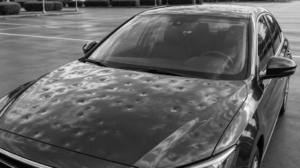
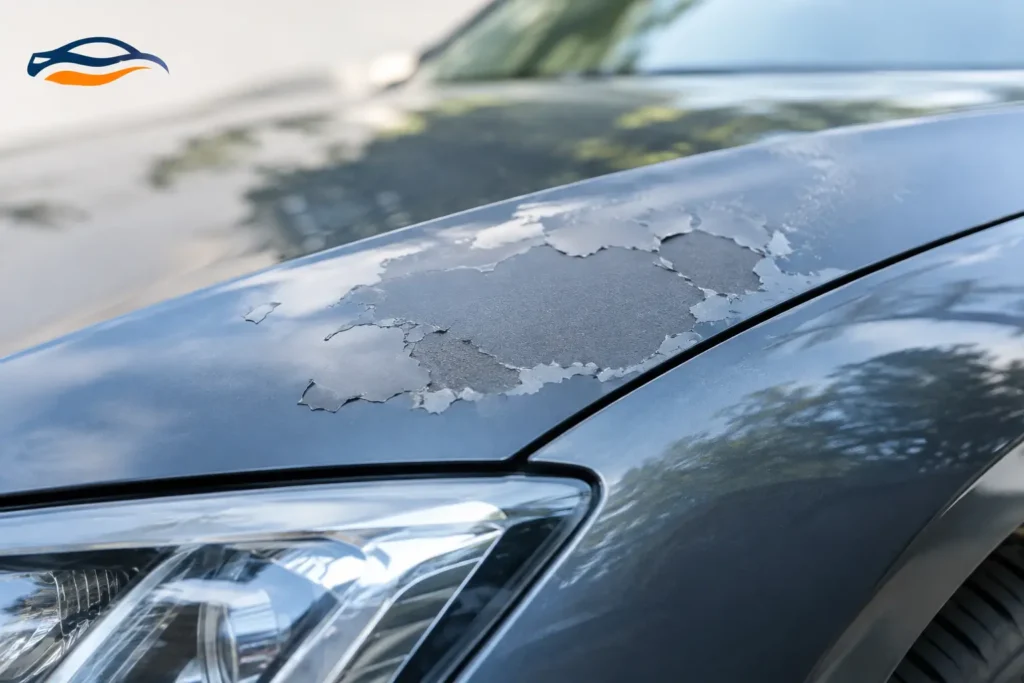
A car can run well and still look years older than it is when its finish starts to fail. If you have noticed cloudy patches, lifting edges, or flakes of paint coming off the roof or hood, you may be asking, why does clearcoat peel? The short answer is that the protective top layer has lost its bond to the color coat beneath it. Once that bond fails, the problem usually spreads instead of stopping on its own.
Clearcoat peeling is more than a cosmetic frustration. The clear coat protects the color from sunlight, weather, road grime, and everyday wear. Addressing it at the right time can help prevent a small finish problem from turning into a larger repainting project.
What Clear Coat Does for Your Vehicle
Most modern vehicles have a multi-layer paint system. Metal, plastic, or composite panels are prepared and primed, followed by a colored basecoat and a transparent clearcoat. That top layer gives the vehicle its gloss and depth, but it also serves a practical purpose.
Clear coat acts as a barrier against ultraviolet rays, moisture, oxidation, bird droppings, tree sap, and minor surface contamination. It is not indestructible, but a properly applied and maintained finish should provide years of protection. When the coating weakens or separates from the basecoat, the color layer becomes exposed and can deteriorate much faster.
Why Does Clearcoat Peel on Cars?
Clearcoat peeling is usually the result of several factors working together over time. A professional inspection can help identify the likely cause and determine whether the affected area can be repaired locally or needs a larger refinish.
Sun and UV Exposure
Ultraviolet exposure is one of the most common causes of clearcoat failure. Over years of direct sun, the coating gradually breaks down. This is especially common on horizontal surfaces such as the roof, hood, trunk lid, and upper door panels because they receive the most sunlight.
Vehicles that spend much of their life outdoors can develop fading, dullness, and small white or cloudy areas before actual peeling begins. Once the clear coat becomes brittle, it may crack, lift, and flake away. Northern Illinois and southeastern Wisconsin drivers see a mix of intense summer sun, winter moisture, and major temperature changes, all of which can be hard on aging paint.
Age and Weathering
Even a vehicle that has been reasonably well cared for will experience paint aging. Repeated heating and cooling causes panels and coatings to expand and contract. Rain, snow, salt, humidity, and airborne contaminants add further stress.
Older factory finishes are more likely to show this type of failure, particularly when the vehicle has spent many years outside. Paint can appear faded or chalky before it peels, but sometimes clear coat separation becomes noticeable quickly after the coating reaches the end of its useful life.
Poor Preparation During a Previous Paint Repair
Peeling can also happen after a previous repaint if the panel was not prepared correctly. Paintwork depends on clean surfaces, proper sanding, compatible materials, correct flash times between coats, and suitable temperature and humidity conditions during application.
For example, clear coat may not adhere properly if contaminants such as wax, silicone, oil, or dust remain on the panel. Applying materials too heavily, too lightly, or outside recommended conditions can also affect adhesion. This does not mean every repaired panel will fail, but quality preparation and careful application make a meaningful difference in the durability of the finish.
Chemical and Environmental Damage
Some substances can damage a clear coat if they remain on the surface too long. Bird droppings, bug residue, tree sap, fuel spills, brake fluid, industrial fallout, and harsh cleaning chemicals can etch or soften the finish. Road salt and winter grime may also contribute to deterioration when they are allowed to build up.
Automatic car washes are not usually the direct cause of peeling on a sound factory finish. However, aggressive brushes and strong chemicals can make an already weakened coating look worse. Scrubbing a surface where the clear coat is already lifting may pull away loose material.
Improper Washing, Polishing, or Detailing
Frequent use of abrasive compounds, harsh household cleaners, or rough washing tools can wear down a finish over time. Machine polishing is useful when performed correctly, but it removes a small amount of material. On a thin, weathered clear coat, aggressive polishing can expose or worsen existing failure.
A detail can improve light oxidation, water spots, or surface scratches. It cannot restore clear coat that has separated from the paint underneath. If the surface is flaking, polishing it will not reattach it.
Signs That It Is Peeling, Not Just Fading
Fading and peeling can look similar from a distance, but they call for different solutions. Faded paint may look dull, hazy, or less vibrant, yet the surface still feels smooth and intact. In some cases, careful paint correction and protection can improve its appearance.
Peeling clear coat often has distinct edges. You may see irregular patches where the glossy layer appears to be lifting, cracking, or missing. The exposed color coat can look flat, chalky, or noticeably different from the surrounding finish. Running a hand lightly over the area may reveal a rough transition between the intact clear coat and the failed section.
If you are unsure, avoid picking at the edge or using strong compounds to test it. A body shop can assess the panel and explain the condition of the paint before additional damage occurs.
Can Peeling Clear Coat Be Repaired Without Repainting?
This is one of the most common questions vehicle owners have, and the honest answer is usually no. Once clear coat has peeled away, it cannot be reliably blended back into place with wax, polish, touch-up paint, or a spray-on clear coat from a can.
Small chips and isolated scratches may have limited repair options, depending on the location and condition of the surrounding paint. But widespread peeling normally requires removing the failed material, preparing the panel properly, applying new color where needed, and refinishing it with clear coat.
Trying to cover a failing finish without proper preparation may create a temporary improvement at best. More often, the new material will not bond well to the compromised surface, and the repaired area may fail again. The appropriate repair depends on the panel, the extent of the peeling, nearby paint condition, and the goal for the vehicle. A daily driver may call for a practical panel refinish, while a classic car or custom build may require more extensive blending and finish work to preserve a consistent appearance.
What a Proper Clearcoat Repair Involves
A lasting repair starts by evaluating the full panel rather than focusing only on the visible flakes. The technician needs to determine whether the failure is limited to the clear coat or whether the color layer, primer, or underlying panel has been affected.
The damaged finish is then sanded and removed until the surface is stable. Depending on the condition, the panel may need primer, basecoat, clear coat, and blending into adjacent areas for a natural color match. Once refinished, the paint needs appropriate curing time before normal washing and waxing routines resume.
The exact scope varies. Repainting only the obvious spot can leave visible edges or color variation, especially on metallic, pearl, and older colors. Refinishing the complete panel is often the more dependable approach when peeling is widespread. An estimate after an in-person inspection should explain what is needed and why.
How to Slow Further Paint Damage
You cannot reverse failed clear coat, but you can reduce additional wear while arranging repairs. Wash the vehicle with a pH-balanced automotive soap and use clean, soft microfiber towels rather than abrasive brushes. Remove bird droppings, sap, and fuel spills promptly. If possible, park under cover or use a breathable vehicle cover that is clean and properly fitted.
Avoid sanding, scraping, buffing, or spraying products over peeling areas without guidance. These approaches can enlarge the damaged section or make professional preparation more involved. Regular washing is still worthwhile because it removes contaminants from exposed paint and surrounding panels.
For drivers dealing with peeling paint after an accident, a prior repair, or years of weather exposure, a clear assessment takes much of the guesswork out of the decision. Carbon Collision Repair can inspect the finish, provide an honest estimate, and recommend a repair approach that fits the vehicle’s condition. A properly refinished panel restores more than shine – it gives the underlying paint the protection it needs for the road ahead.