
A damaged vehicle can leave you juggling more than a repair estimate. You may be dealing with an insurance claim, arranging rides, and wondering whether the damage you can see is the whole story. Asking the right questions before picking a body shop helps you choose a repair partner based on workmanship, communication, and the care your vehicle needs – not just the first available appointment.
The right shop should be willing to answer your questions clearly. A thoughtful conversation before work begins can help prevent surprises later and give you greater confidence in the repair process.
Questions Before Picking a Body Shop About the Repair
What damage do you see, and what might be found after disassembly?
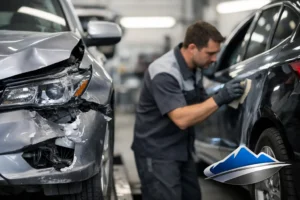
A visible dent, cracked bumper, or broken headlight can be only part of the damage after a collision. Modern vehicles have mounting points, sensors, brackets, wiring, and energy-absorbing components behind exterior panels. A careful estimate should address what is visible while explaining that additional damage may be identified once the vehicle is disassembled.
Ask the shop how it handles those findings. A dependable repair facility will document necessary changes, communicate with you and the insurer as appropriate, and explain why additional parts or labor are needed. This is often called a supplement, and it is a normal part of many collision repairs. It should never feel like unexplained work added to your bill.
Will you inspect structural and mechanical components?
Not every accident requires frame or structural repair, but impact damage should be evaluated beyond the surface. A shop should assess whether the vehicle has damage affecting its structure, suspension, steering, wheel alignment, cooling system, or other mechanical components.
Ask how the shop determines whether structural measurement or mechanical inspection is needed. The answer matters because a vehicle can look much better after cosmetic work while still needing attention beneath the panels. The scope of repair depends on the impact, the vehicle model, and the condition found during inspection.
How do you handle vehicle electronics, sensors, and calibrations?
Many newer vehicles rely on cameras, radar, parking sensors, lane-assist features, and other driver-assistance technology. Repairs involving bumpers, windshields, mirrors, suspension, front-end components, or body panels may require electronic scanning or calibration procedures.
Ask whether the shop reviews these needs as part of its repair plan and how it verifies that required procedures have been completed. The exact requirements vary by vehicle and by the repair performed, so a straightforward answer should be specific to your situation rather than a one-size-fits-all promise.
Questions About Parts and Paint Quality
What types of replacement parts may be used?
Replacement parts can include original equipment manufacturer parts, recycled original parts, and aftermarket parts. Each option can have a place in a repair, depending on vehicle age, availability, insurer guidelines, budget, and the condition of the part.
The key is transparency. Ask what parts are included in the estimate and whether alternatives may be considered. If preserving factory fit, finish, or the character of a classic vehicle is especially important to you, say so before repairs begin. A good shop will explain the options and the trade-offs in plain language.
How will you match the paint and finish?
Paint repair is more than selecting a paint code. Sun exposure, age, previous refinishing, and the angle of surrounding panels can affect how a color appears. For some repairs, blending color into adjacent panels may be needed to create a natural-looking transition.
Ask how the shop approaches color matching, blending, and final finish work. You can also ask what happens if panels need to be removed and reinstalled for a proper repair. Details such as panel alignment, trim fit, overspray prevention, and finish quality make a real difference in the completed appearance.
For custom paintwork or classic car restoration, this conversation should go deeper. Discuss your goals for originality, finish level, materials, and how much of the vehicle will be refinished. Restoration work is highly individual, and a clear plan at the beginning protects both the vehicle’s character and your expectations.
Questions About Estimates, Insurance, and Payment
Is the estimate detailed enough to understand?
A useful estimate should identify the damaged areas, anticipated repair operations, parts, paint-related work, and any known mechanical or structural items. You do not need to know every industry term, but you should be able to ask what each major part of the estimate means.
Be cautious of an estimate that appears unusually quick or vague without a thorough inspection. At the same time, understand that an initial estimate is not always the final repair plan. Hidden damage can change the scope once disassembly begins. What matters is whether the shop explains that possibility upfront and communicates changes promptly.
Can you help with my insurance claim?
Most collision repair shops work with insurance companies and can help provide estimates, photos, repair documentation, and updates needed for the claim process. Ask what assistance the shop provides and what you will need to handle directly with your insurer.
You should also ask how deductible payment works and whether the shop will contact you before any customer-paid work is performed. Insurance coverage, approvals, and policy terms vary, so no shop should make promises about what your insurer will cover before the claim is reviewed. Clear guidance can still make the process far less stressful.
Questions About Communication and Timing
Who will update me, and how often?
Vehicle repair is easier to manage when you know who to call and what kind of updates to expect. Ask whether there is a dedicated point of contact, how the shop communicates changes, and whether updates will be provided by phone, text, or email.
Good communication is especially valuable when parts availability, added damage, or insurance review affects the repair schedule. A responsible shop will not promise an exact completion date before it has inspected the vehicle and confirmed what is needed. It should, however, be willing to keep you informed as the work moves forward.
What affects the repair timeline?
Repair time can depend on the severity of damage, parts availability, insurer authorization, paint curing, required calibrations, and the shop’s current workload. A smaller cosmetic repair may move differently than a structural collision repair or a restoration project.
Ask the shop what steps are likely to take the most time in your case. This helps you plan realistically instead of relying on a broad estimate that may not reflect the condition of your vehicle. It also gives you a chance to discuss any transportation needs early in the process.
Questions About Accountability After the Repair
Do you stand behind your workmanship?
Ask the shop to explain its workmanship policy and what support is available if you have a concern after picking up your vehicle. This is not about expecting problems. It is about knowing that the business takes responsibility for the work it performs and is available to address reasonable questions.
Before you leave with your vehicle, take a few minutes to review the completed repair. Look at the repaired area in good light, check that panels and trim appear properly aligned, and make sure you understand any care instructions. If something does not look right or you have a question about a warning light, feature, or finish, bring it up right away.
Can I see examples of work similar to mine?
A shop’s experience should fit the job you need done. Someone repairing a late-model commuter vehicle after a front-end collision may want to understand the shop’s approach to structural, paint, and sensor-related repairs. A classic car owner may be more focused on bodywork detail, paint finish, and preserving original character.
Ask about the type of work the shop regularly performs and how it approaches projects like yours. At Carbon Collision Repair, that means taking the time to evaluate the vehicle, explain the recommended work, and provide clear communication from estimate through completion.
Choosing a body shop should not require you to become an auto repair expert overnight. Bring your questions, ask for clear answers, and choose a team that treats both your vehicle and your time with respect. That first conversation can set the tone for a repair experience built on confidence and care.