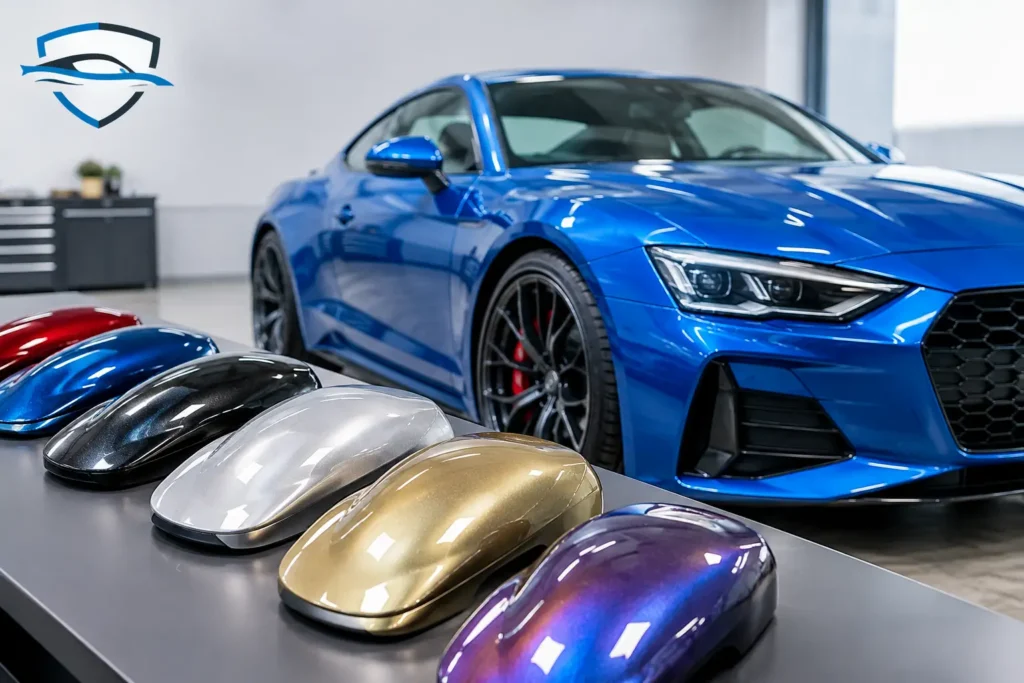
A custom finish can change the entire character of a vehicle. The right color and texture can make a daily driver feel more personal, give a classic car the presentation it deserves, or turn a well-kept truck into something that stands apart at a show. Popular custom paint finishes range from subtle factory-plus upgrades to bold multi-layer effects, and each one comes with different visual results, maintenance needs, and repair considerations.
The best choice is rarely just the finish that looks most dramatic under shop lights. It should fit how you use the vehicle, how much upkeep you are comfortable with, and whether matching a repaired panel later could matter. A quality paint job starts with careful preparation and the right materials, but choosing a finish that works for real driving is just as important.
Metallic finishes: depth without going too far
Metallic paint remains one of the most requested custom options because it adds depth while still feeling familiar. Fine aluminum flakes in the paint catch the light and give the color movement. A dark blue may look nearly black in shade, then reveal a rich blue sparkle in sunlight. Silver, charcoal, red, and deep green also work especially well with metallic effects.
For many owners, metallic finishes offer a practical middle ground. They feel more distinctive than a flat solid color, but they are not as demanding as some specialty finishes. Metallic paint can also help a vehicle retain a clean, polished appearance when maintained properly.
There is a trade-off during future repairs. Metallic flake must be applied evenly, and variations in spray angle or coverage can affect how the color appears. On some vehicles, a technician may need to blend color into adjacent panels rather than paint only the damaged area. That is normal practice when creating a consistent finish.
Pearl paint adds a softer, color-shifting effect
Pearl finishes use mica or ceramic particles to create a glow that changes with the angle of the light. Unlike metallic paint, which produces visible sparkle, pearl tends to create a smoother, more luminous effect. White pearl is a longtime favorite because it looks clean and upscale, yet pearl can also bring surprising depth to colors such as black, blue, gray, and burgundy.
A pearl finish can be subtle or dramatic depending on the formula. Some versions look close to a traditional color until sunlight brings out a warm gold, blue, or violet undertone. Others are intentionally more noticeable and are used to make a custom build feel one of a kind.
The additional depth comes with added complexity. Pearl layers require careful control during application, and matching them after a collision or scratch repair can take more time than matching a standard solid color. That does not make pearl a poor choice. It simply makes expert preparation, spray technique, and color evaluation more important.
Matte and satin: popular custom paint finishes with a modern edge
Matte and satin finishes have a clean, modern look that works well on performance cars, trucks, and vehicles with dark trim. Matte paint has little to no shine, while satin falls between matte and gloss. Satin often gives owners the low-reflection appearance they want with slightly more visual depth than a true matte finish.
These finishes can make body lines look sharper and lend a purposeful appearance to the vehicle. They are especially effective on darker colors, although matte gray, olive, tan, and even bold custom colors can create a striking result.
Maintenance is the deciding factor for many owners. Matte and satin surfaces should not be polished or waxed with conventional products because those products can create uneven glossy spots. They also need prompt attention when road tar, bird droppings, fuel, or tree sap lands on the surface. A gentle wash routine and products made specifically for non-gloss finishes are the safer approach.
Repair work can be more involved as well. A gloss finish can sometimes be corrected through sanding and polishing after clear coat work. Matte and satin finishes cannot be treated the same way without changing their sheen. If you want the look but prefer easier long-term care, a satin finish may be worth discussing before committing to a full respray.
Candy colors deliver bold, layered depth
Candy paint is known for its rich, translucent appearance. Rather than relying on a single opaque color, it uses tinted transparent layers over a reflective base, often silver, gold, or a custom metallic ground coat. Light passes through the color layers, reflects off the base, and creates remarkable depth.
Candy red, blue, purple, and orange are popular choices for classics, motorcycles, hot rods, and show-oriented builds. The finish can look almost liquid in direct light, with dark shadows and bright highlights that give the vehicle a custom-built presence.
It is also one of the more demanding finishes to apply and repair. The final shade depends on the base color, number of coats, application consistency, and clear coat. Even a small repair may require blending over a larger area to avoid a visible difference in color depth. Candy paint is a great fit when visual impact is the priority and the owner understands the extra care involved.
Color-shifting and chameleon finishes
Color-shifting paints, sometimes called chameleon finishes, change appearance based on the viewing angle and available light. A vehicle may transition from green to purple, blue to copper, or bronze to red as it moves. The effect is unmistakably custom and works well for owners who want their vehicle to make a strong visual statement.
This finish is not for everyone. Its bold personality can overpower certain body styles or clash with a vehicle that is otherwise restored to original condition. It can also be more difficult to match if a panel is damaged later. Still, on the right project, color-shifting paint offers a level of movement and individuality that standard colors cannot duplicate.
Before choosing it, consider where the vehicle spends most of its time. These finishes show their full character in changing outdoor light. If a vehicle is primarily driven at night or parked indoors, you may not see the effect as often as you expect.
Gloss finishes are still a custom favorite
A high-gloss finish may sound traditional, but it remains one of the most effective ways to showcase excellent bodywork and a carefully chosen color. With the right preparation, a gloss paint job can provide deep reflections, crisp highlights, and a clean finish that suits nearly any vehicle, from a family SUV to a restored muscle car.
Customizing a gloss finish does not have to mean choosing an exotic color. A deep black, bright white, rich navy, or classic red can look completely different when paired with high-quality clear coat, detailed paint correction, and complementary trim. Gloss also gives owners more flexibility with routine washing, waxing, and polishing than matte finishes.
The downside is that gloss reveals flaws. Swirl marks, water spots, scratches, and imperfect body preparation are easier to see when the surface is highly reflective. Proper washing techniques and regular care go a long way toward keeping the finish looking its best.
Choosing a finish that fits the vehicle and the owner
The most popular finish is not automatically the right finish. Start with the vehicle’s purpose. A commuter that faces parking lots, road salt, and frequent washing may benefit from a color and finish that are easier to maintain and repair. A weekend classic or show vehicle can be a better candidate for multi-stage pearl, candy, or color-shifting paint.
Think about the existing body condition, too. Custom paint looks its best over properly repaired, straight panels. Paint cannot hide dents, corrosion, poor previous repairs, or failing clear coat. Addressing those issues first is what gives the final finish a stable, professional foundation.
It also helps to consider the full design, not only the body color. Wheel finish, chrome or blacked-out trim, interior color, stripes, and decals all affect the final look. A restrained metallic may be the better choice when the vehicle already has bold wheels and accessories. A classic car with simple lines may benefit from a pearl or candy finish that highlights its shape without adding extra graphics.
For drivers in northeastern Illinois and southeastern Wisconsin, seasonal conditions should be part of the conversation. Road grime, winter salt, and temperature swings can be hard on any paintwork. A thoughtful care plan, including regular washing and quick cleanup of contaminants, helps protect both subtle and high-impact custom finishes.
Quality preparation matters more than the paint name
The difference between an attractive custom paint job and one that holds up well often comes down to preparation. Panels must be cleaned, repaired, sanded, primed, and sealed correctly before color is applied. The paint system needs proper curing time, and edges, jambs, and adjacent panels require the same attention as the most visible surfaces.
At Carbon Collision Repair, custom paintwork is approached with the same care used for collision refinishing and restoration work: clear communication about the desired result, honest discussion of the finish’s maintenance needs, and attention to the details that support a lasting appearance. An in-person estimate gives a technician the chance to evaluate the vehicle, discuss color options, and explain what the project will require.
A custom finish should make you want to look back at your vehicle after parking it. Choose the one that fits your style, your driving habits, and the level of care you are ready to give it, then let careful preparation do the rest.