
A collision estimate is more than a number at the bottom of a page. It is the repair plan for your vehicle, and asking the right collision estimate questions helps you understand what will be repaired, what may change after disassembly, and how the insurance process may fit into the picture. After an accident, clear answers can make a stressful decision feel much more manageable.
Start With What the Estimate Actually Covers
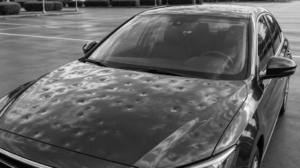
The first question to ask is simple: What repairs are included in this estimate? A written estimate should identify the visible damage the shop can see before repairs begin, such as a damaged bumper, dented fender, broken headlamp, scratched door, or paint damage.
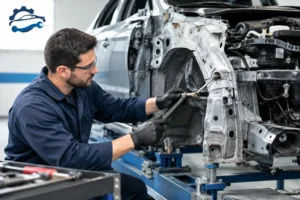
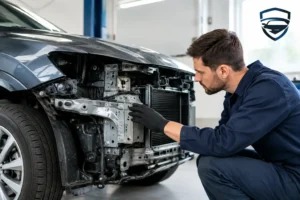
However, not all accident damage is visible from the outside. Modern vehicles have brackets, impact absorbers, wiring, sensors, cooling components, and structural parts behind exterior panels. A minor-looking impact can sometimes affect components that cannot be inspected fully until damaged parts are removed.
Ask whether the estimate is based on a visual inspection and whether additional damage may be found during disassembly. This is not a sign that a shop is being vague. It is an honest explanation of how collision repair works. The estimate should reflect the information available at the time, while leaving room to address legitimate hidden damage if it appears.
Collision Estimate Questions About Parts
Parts are often one of the most important areas to discuss because the type of part used can affect fit, finish, availability, and cost. Ask what parts are planned for your repair and why those parts are appropriate for your vehicle.
Depending on the vehicle, repair plan, insurance policy, and parts availability, a shop may discuss original equipment manufacturer parts, aftermarket parts, recycled parts, or reconditioned components. There is no single answer that fits every repair. A newer vehicle with advanced safety equipment may require a different approach than an older daily driver with cosmetic panel damage.
It is reasonable to ask whether a damaged panel can be repaired rather than replaced. Repairing a panel may preserve the original factory part and can be a practical choice when the metal or plastic can be restored properly. In other cases, replacement is the more responsible option because the damage affects the part’s shape, mounting points, or ability to perform as intended.
A good conversation is not only about the least expensive option. It is about selecting parts and procedures that support a quality repair for your particular vehicle.
Ask How Paint and Color Matching Will Be Handled
Paint repair deserves its own conversation, especially if the damage reaches more than one panel. Your estimate should explain whether the repair includes refinishing the damaged area and whether adjacent panels may need to be blended for a consistent color match.
Factory paint can change slightly over time because of sun exposure, weather, washing, and normal aging. Even when the shop mixes paint using the vehicle’s factory color code, blending may be needed to create a natural transition between repaired and original panels.
Ask whether the estimate accounts for paint materials, preparation, and blending where needed. If your vehicle has a pearl, metallic, tri-coat, matte, or custom finish, bring that up early. These finishes can require additional care and a more detailed repair process.
Understand Labor, Procedures, and Repair Quality
The estimate may show labor categories such as body repair, frame or structural work, refinishing, mechanical work, and scan or calibration-related procedures. You do not need to be an automotive expert to ask what these items mean.
For example, a bumper repair may involve more than repairing and painting the bumper cover. The shop may need to remove related trim, inspect mounting points, check components behind the bumper, and reinstall sensors or cameras. If your vehicle has driver-assistance features such as parking sensors, blind-spot monitoring, adaptive cruise control, or lane-related cameras, ask whether inspections, scans, or calibrations may be required after repairs.
These steps are not automatically needed for every vehicle or every impact. They depend on the vehicle, the location of damage, and manufacturer repair information. Asking about them helps you understand that a complete repair involves more than making exterior damage look better.
You can also ask how the shop decides between cosmetic repair and structural repair. A knowledgeable repair facility should explain the difference in clear language. Cosmetic repairs focus on appearance, while structural damage can involve the underlying areas that support proper vehicle alignment and panel fit. The goal is to follow an appropriate repair plan based on the damage found, not to make assumptions from a photo or a quick glance.
What to Ask About Insurance Estimates
An insurance estimate and a repair shop estimate may not look exactly alike at first. Insurers often prepare an initial estimate based on visible damage or photos, while a repair facility creates a repair plan after inspecting the vehicle. Differences do not necessarily mean that one estimate is wrong.
Ask the shop how it handles additional damage found after repairs begin. In many cases, the shop documents the newly discovered damage and submits a supplement for review through the appropriate insurance process. This helps the repair plan account for damage that was not visible during the first inspection.
You may also want to ask what paperwork the shop needs from you and what communication it can handle directly with the insurer. Clear communication can reduce back-and-forth while keeping you informed about repair decisions that affect your vehicle.
It is helpful to confirm your deductible before authorizing repairs. Your deductible is generally the portion of a covered claim you are responsible for, but the details depend on your policy and claim. If you are unsure, ask your insurance representative for clarification and ask the repair shop how deductible payment is typically handled at pickup.
Questions About Timing and Changes During Repairs
A repair timeline depends on several real-world factors: the extent of damage, parts availability, insurer communication, paint and curing requirements, and any additional repairs found after disassembly. Be cautious of anyone who offers an exact completion date before the vehicle has been thoroughly inspected and a repair plan is underway.
A better question is: What factors could affect the repair schedule, and how will I receive updates? A dependable shop should set reasonable expectations and let you know when something changes. Parts delays or additional damage can be frustrating, but silence is usually worse. Consistent updates help you plan and give you confidence that your vehicle is receiving proper attention.
Ask when the shop expects to know more about the final scope of work. Often, the clearest picture emerges after teardown and inspection, not on the first day the vehicle arrives.
Bring the Right Information to Your Estimate Appointment
You can help the estimating process go more smoothly by bringing your insurance claim information, if you have already opened a claim, along with your vehicle registration and any photos from the accident. Tell the estimator about concerns that may not be obvious, such as warning lights, unusual noises, steering changes, a door that no longer closes properly, or a trunk that will not latch.
Do not clean away evidence of a fluid leak or ignore a new dashboard message just because the exterior damage seems minor. Those details can help the shop identify related mechanical or safety-system concerns during the inspection.
If you are visiting for a scratch, dent, paint concern, or glass damage without an insurance claim, explain what outcome matters most to you. Some drivers want the most economical cosmetic repair, while others are focused on restoring a newer vehicle, a collector car, or a custom finish with close attention to detail. The right estimate begins with an honest discussion of your priorities.
Choose Clarity Over a Fast Answer
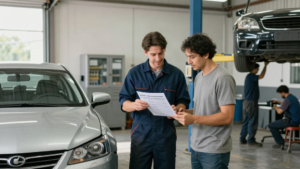
The best collision estimate questions are the ones that help you feel informed rather than rushed. Ask what is included, what may be discovered later, which parts and repair procedures are planned, and how communication will work if the scope changes.
At Carbon Collision Repair, customers throughout the Antioch area can expect a straightforward inspection, clear explanations, and assistance navigating the repair and insurance process. A careful estimate is not just paperwork. It is the first step toward returning your vehicle to the road with the attention and workmanship it deserves.
Before approving repairs, take a moment to read the estimate and ask about anything that is unclear. A trustworthy repair experience starts with a conversation where you understand the plan and know who is accountable for carrying it out.