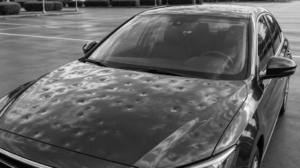
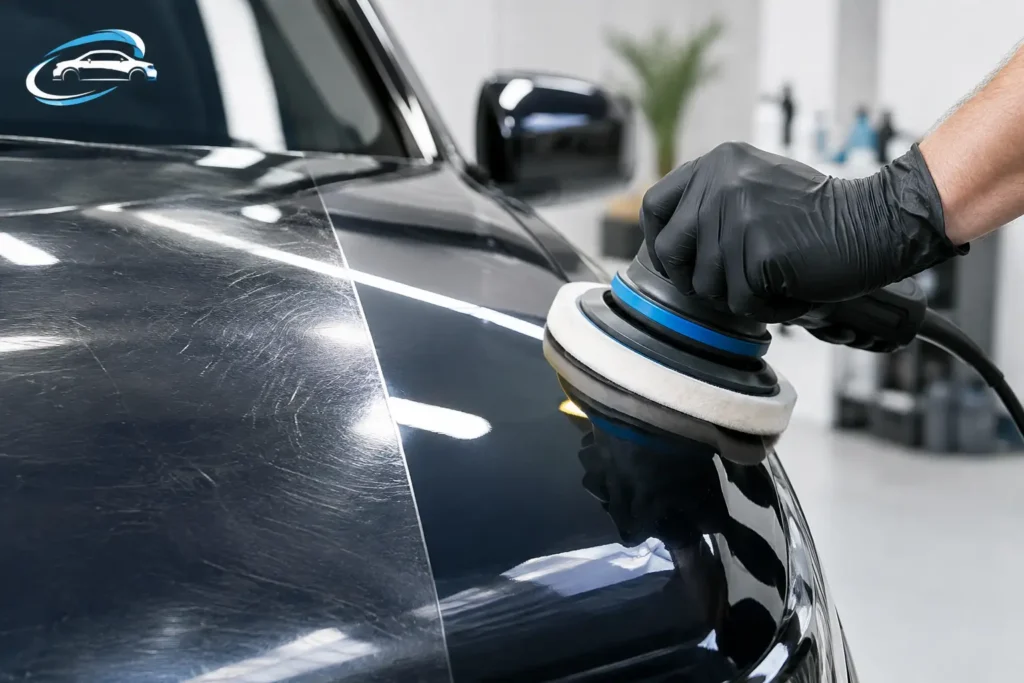
A vehicle can look clean in the shade and still show every flaw when sunlight hits the paint. Circular haze on the hood, a dull chalky roof, or a light-colored streak on a dark door can make an otherwise well-kept car feel worn out. These paint correction examples show why the right repair starts with identifying what is actually sitting on, affecting, or missing from the painted surface.
Paint correction usually means carefully leveling or polishing the clear coat to reduce defects and restore gloss. It can make a dramatic difference, but it is not the answer to every scratch or collision-related paint problem. Some damage calls for touch-up work, panel refinishing, or repairs beneath the paint before a quality finish can be restored.
What Paint Correction Can and Cannot Fix
Modern automotive paint generally has three layers: primer, base color, and clear coat. The clear coat provides the shine and much of the protection customers notice first. Many common appearance issues are limited to that upper layer, which is where professional paint correction can help.
A trained technician measures and evaluates the paint before polishing. The goal is not to remove as much material as possible. It is to use the least aggressive method that improves the finish while respecting the remaining thickness of the paint. That judgment matters, especially on older vehicles, panels that have been repainted before, and vehicles with delicate or custom finishes.
Paint correction cannot replace missing paint. If a scratch passes through the clear coat and color layer, polishing may soften its sharp edges and make it less noticeable, but it cannot put color back where it is gone. Likewise, peeling clear coat, rust, cracked paint, and damage caused by a dent or collision need a different repair plan.
Paint Correction Examples You May See on Your Vehicle
Swirl marks from washing and drying
Swirl marks are one of the most common reasons drivers seek paint correction. They appear as fine, circular scratches, especially on black, dark blue, and deep red vehicles. Under direct sun or gas-station lighting, they can cover a hood or trunk lid in a web-like pattern.
These marks often come from automatic car washes, dirty wash mitts, rough towels, or wiping dust from a dry surface. Because they are commonly confined to the clear coat, a correction process can often significantly reduce them and bring back sharper reflections. The result is not simply more shine. It is a clearer, more even finish that lets the paint color look richer.
Light scratches around door handles and trunk openings
Fingernails, rings, keys, grocery bags, and regular use leave fine scratches behind door handles and near trunk or liftgate openings. These defects are usually small, but they stand out because they are concentrated in a high-visibility spot.
If the scratch has not cut through the clear coat, targeted polishing may improve it considerably. A scratch that catches a fingernail, exposes a different color underneath, or shows bare metal is a different situation. It may require touch-up or refinishing to protect the panel and improve the appearance properly.
Paint transfer from a bumper, pole, or another vehicle
A white, silver, or red scuff on a bumper does not always mean the vehicle’s paint has been scraped away. Often, part of the other object’s paint has transferred onto the surface. This is common after a low-speed parking mishap, brushing against a painted post, or making contact with another bumper.
Paint transfer can sometimes be removed through careful cleaning, decontamination, and light correction. But an impact may also leave a dent, cracked paint, or a deep gouge beneath the transferred material. Removing the visible streak is only part of a proper inspection. The underlying panel condition determines whether cosmetic correction is enough.
Oxidation and fading on older paint
Oxidation makes paint look flat, cloudy, or chalky instead of glossy. It is especially common on older vehicles that spend a great deal of time outdoors, often on horizontal panels such as the hood, roof, and trunk.
When the clear coat is still intact, polishing may remove the oxidized surface layer and restore a surprising amount of depth. If the clear coat has failed, however, the paint may look patchy, peel, or feel rough and compromised. At that stage, polishing may provide only a short-lived improvement or worsen the appearance. Refinishing the affected panel is usually the more honest recommendation.
Water spots and etched mineral deposits
Hard-water spots can leave rings that remain even after washing. When minerals sit on hot paint or are left in place repeatedly, they can etch into the clear coat rather than simply resting on top of it.
Mild spotting may be corrected with a proper polish. More severe etching can require multiple stages of correction, and there are limits to how much clear coat should be removed. This is a good example of why a quick look from a distance is not enough to determine the right service.
Scratches that reach the color coat
A deep key scratch, a scrape from a garage wall, or damage from road debris can cut beyond the clear coat. These marks often appear white or dark depending on the underlying layer, and they remain visible after washing.
Correction can reduce the surrounding haze and improve the transition around a deep scratch, but it cannot fully erase a scratch that has removed paint. Depending on the location and severity, a technician may recommend spot repair, touch-up, or refinishing the panel. On a vehicle with collision damage, that repair may also involve dent removal or panel work before paint is applied.
Why a Professional Inspection Matters
Two scratches can look nearly identical in a driveway and require completely different repairs. One may be a surface scuff that responds well to polishing. The other may involve broken paint, bent metal, or prior repair work beneath the surface.
A professional inspection considers the paint depth, the location of the defect, the age and condition of the finish, and whether the vehicle has been repainted. It also considers the customer’s goals. A commuter vehicle may need a practical improvement that preserves the existing finish, while a classic car owner may want a more detailed correction plan before a show or restoration project.
The trade-off is straightforward: aggressive correction can remove more visible defects, but it also removes more clear coat. A responsible repair process balances appearance with paint preservation. No honest shop should promise that every defect can disappear without first evaluating the vehicle in person.
When Refinishing Is the Better Choice
Refinishing is often the better path when there is peeling clear coat, exposed primer or metal, widespread fading, rust, collision damage, cracked paint, or a deep scratch across a prominent panel. In these cases, polishing alone does not address the issue that caused the visible defect.
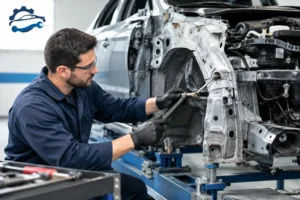
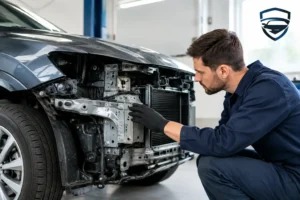
For accident-related damage, a complete repair may include structural or panel work, dent repair, surface preparation, color matching, and clear-coat application. The quality of the preparation is just as important as the final coat of paint. A smooth, properly repaired panel gives new paint the foundation it needs to look consistent and last as intended.
If an insurance claim is involved, it also helps to have a repair facility explain what is cosmetic, what is collision-related, and what work the estimate includes. Clear communication makes it easier to understand the recommended repair without making assumptions about coverage before the claim is reviewed.
Protecting the Finish After Correction
Once paint has been corrected or refinished, careful maintenance helps preserve the result. Use clean wash tools, avoid dry-wiping dusty panels, and rinse bird droppings, bug residue, and road salt off promptly. During Lake County winters, regular washing is especially useful for removing salt and grime that can collect around lower panels.
A quality protective product can add gloss and make routine cleaning easier, but it will not make a damaged surface invincible. Parking thoughtfully, washing with proper techniques, and addressing fresh damage early are still the practical habits that protect a vehicle’s appearance.
Whether the issue is a few swirls on a newer vehicle or damaged paint after an impact, start with an honest assessment rather than a guess. Carbon Collision Repair can help vehicle owners understand which marks can be corrected, which need refinishing, and what approach best respects the condition of the vehicle.